Topaz
Topaz is one of the best-known gemstones and impresses with its wide variety of colours. The spectrum ranges from blue and yellow to rare pink and red tones. For investors, however, only one variety is of interest: imperial topaz from Brazil.
On this page, you will find out why the popular blue topaz is not an investment, which quality criteria an imperial topaz must meet and what to look out for when it comes to the price per carat.





Topaz Colours and Their Significance for Value
Topaz occurs in almost every colour. Colour is the decisive factor for its value, as most coloured topazes on the market have been treated.

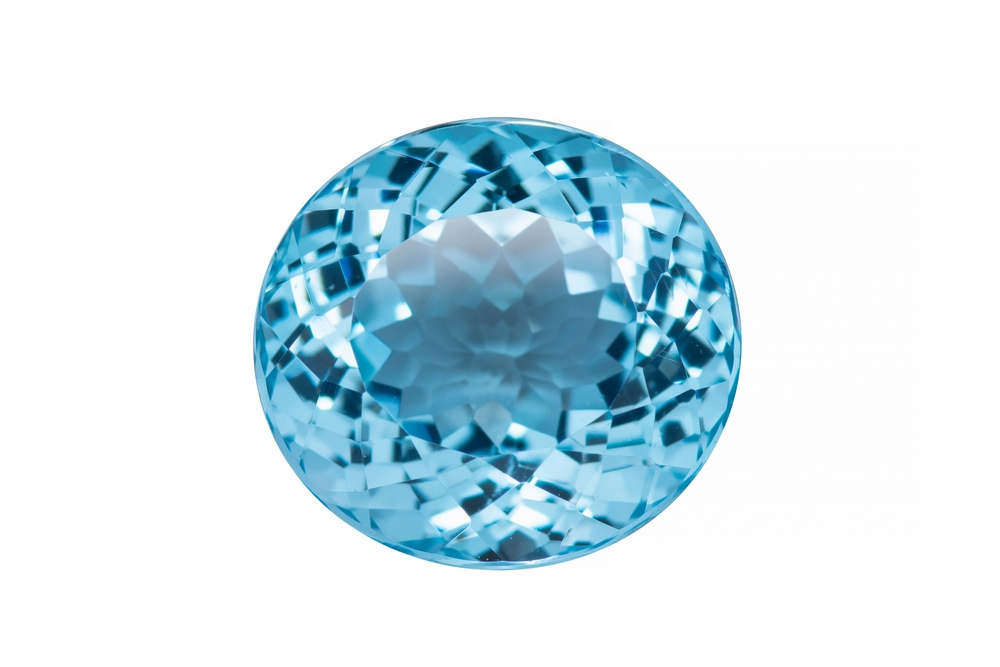
Blue topaz
Blue topaz is by far the most common variety in the jewellery trade. What many people do not know is that naturally blue topaz is extremely rare. Almost all blue topazes are produced from colourless stones by irradiation followed by heating. This treatment is permanent and accepted in the trade, but it makes blue topaz unsuitable as an investment. Prices are often below €10 per carat.

Imperial topaz
Imperial topaz is the most valuable and rarest variety. Its colours range from warm orange through peach to rare pink tones. The name dates back to the 19th century, when the finest stones were reserved for the Russian tsar. Today, genuine imperial topaz comes almost exclusively from Brazil.
Untreated imperial topazes with intense colour and good clarity fetch prices of between €200 and €1,000 per carat. Particularly rare reddish specimens can reach considerably higher prices.

Yellow and pink topaz
Yellow topaz occurs naturally, but is often obtained by heating brownish stones. Pink topaz is rare and is usually created by treating yellowish stones. Both varieties are only suitable as an investment to a limited extent.
Colour
Colour intensity determines the price. The most sought-after imperial topazes show a warm orange with pink or red components. Pure yellow or pale stones are considerably cheaper. The most valuable colour is often referred to as sherry topaz, a deep orange-red.
Clarity
Imperial topaz should be eye-clean. Fortunately, many stones occur without visible inclusions. Stones with cloudiness or obvious inclusions are not suitable as an investment.
Cut
A good cut shows off the colour to best effect. Popular cuts are oval, cushion and the classic step cut. The cut should be symmetrical and reflect light evenly.
Carat weight and price
Imperial topaz is rare in larger sizes. Stones over 5 carats with good colour and clarity command significant price premiums. For a serious investment, we recommend stones of 3 carats or more.
The price range is wide. Simple qualities start at €50 per carat. Investment quality with intense colour costs €200 to €500 per carat. Exceptional stones in red or pink can fetch over €1,000 per carat.
Mining regions
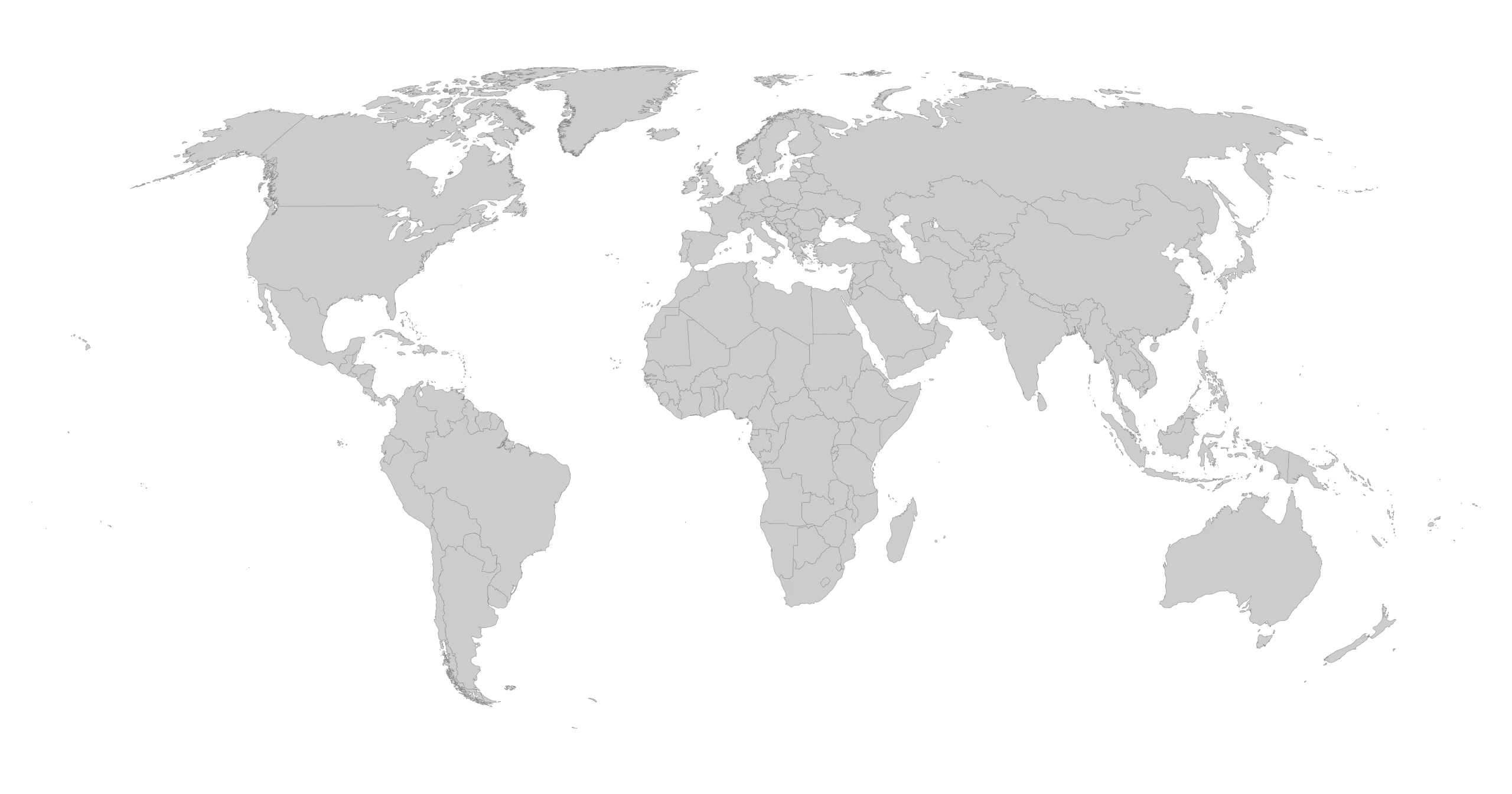
The origin of a topaz has a considerable influence on its value. For imperial topaz, Brazil is by far the most important source.
Topaz mining regions worldwide
For investment quality, only one region counts. Genuine imperial topaz comes exclusively from Brazil and fetches the highest prices on the international collectors’ market.

Brazil
The region of Ouro Preto in Minas Gerais is the only source of genuine imperial topaz. The world’s most sought-after stones have been mined here for over 200 years.

Pakistan
The region of Katlang supplies large, colourless topaz crystals. These are often irradiated to produce blue topaz and are not suitable for investment.
Mexico
Mexico supplies naturally yellow and orange topaz. The quality is good, but rarely reaches the colour intensity of Brazilian imperial topaz.
Russia
The Urals were historically known for yellow topaz. Today, the region no longer plays a significant role in the world market.

Recognising Topaz
The market knows various treatments and imitations. Anyone wishing to buy a topaz as an investment needs to know the differences.
Treatments
The most common treatment is irradiation and heating to produce blue colours. These stones are unsuitable for investment. With imperial topaz, heating to improve the colour is rare, but it does occur. Untreated stones with natural colour fetch the highest prices.
Confusion and imitations
Topaz is often confused with citrine. In the trade, citrines are sometimes offered as “gold topaz” or “Madeira topaz”, even though they are quartz. Yellow sapphire or yellow tourmaline can also look similar.
For investors, there is a clear recommendation: only buy stones with a certificate from a recognised gemmological institute such as DSEF, GRS or SSEF.
Imperial Topaz as an Investment
Imperial topaz is a beautiful gemstone with solid value retention. Nevertheless, we do not recommend it as a primary investment.
Arguments in favour of imperial topaz include its attractive prices compared with the Big Four and its limited availability from just one region worldwide. Good stones are rare, and demand is slowly increasing.
Arguments against imperial topaz as a main investment are the lack of an established secondary market and its lower international recognition compared with ruby or sapphire. Blue topaz has also diluted the image of the gemstone as a whole.
Our recommendation is therefore to invest first in the established investment gemstones ruby, sapphire, emerald and tanzanite. Imperial topaz can be an interesting addition once this foundation is in place.
We would be happy to advise you on your personal investment strategy – free of charge and without obligation.