Tsavorite

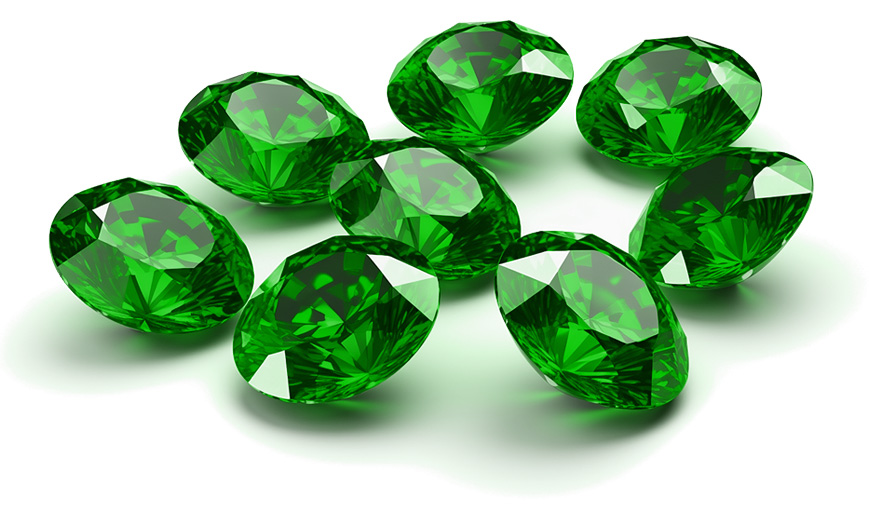
Tsavorite is one of the rarest and most sought-after green gemstones in the world. As a green garnet, it combines intense colour with exceptional brilliance that even surpasses that of emerald. Its greatest advantage for investors is the fact that tsavorites are practically never treated.

On this page, you will find out why tsavorite is a serious alternative to emerald, which quality criteria are decisive for an investment and which regions produce the most valuable stones.

Tsavorite gemstone
  • logo-allgemeine-zeitung
  • dawo-logo
  • finanzwelt-logo
  • wallstreet-logo
  • logosachwert-magazin-logo

What Is a Tsavorite?

Tsavorite belongs to the garnet group and is, more precisely, a green grossular. It owes its intense colour to traces of vanadium and chromium – the same elements that colour emerald. The stone was discovered in Tanzania in 1967 by the British geologist Campbell Bridges.

The name tsavorite derives from Tsavo National Park in Kenya, near whose borders the most important deposits lie. It was launched on the market in 1974 by Tiffany & Co., who recognised the potential of this exceptional gemstone.

gems
Gem

Tsavorite vs Emerald

The comparison with emerald is obvious, as both stones show an intense green. But tsavorite has some remarkable advantages.

Brilliance

Tsavorite has a higher refractive index than emerald. At 1.74 compared with emerald’s 1.58, it shows considerably more fire and brilliance. The play of light of a well-cut tsavorite is simply breathtaking.

Clarity

While emeralds almost always show inclusions, the so-called jardin, tsavorites often occur with higher clarity. Eye-clean stones are not uncommon – something that is the absolute exception with emerald.

Treatments

This is where the decisive difference lies. Emeralds are routinely treated with oil or resin to conceal inclusions. Tsavorites, on the other hand, are practically always untreated. Their colour is 100 per cent natural. For investors, this is an enormous advantage, as there is no uncertainty about the permanence of treatments.

Rarity

Tsavorites over 2 carats are rarer than emeralds of comparable quality. Stones over 5 carats are genuine rarities and command corresponding premium prices.

What makes a tsavorite valuable?

The value of a tsavorite is determined by colour, clarity, cut and carat weight.

Colour as the decisive criterion

The most sought-after colour is an intense, vivid green, comparable to the finest Colombian emerald. This colour is sometimes referred to as chrome green. Stones that are too light or too dark are less valuable. A yellowish undertone also reduces the value.

Colour saturation should be high without the stone appearing too dark. The perfect balance between intensity and brightness makes the difference between a good and an exceptional tsavorite.

Clarity

Although tsavorites are generally cleaner than emeralds, there are differences in quality here, too. For an investment, the stone should be eye-clean. Loupe-clean specimens command premium prices, but are correspondingly rare.

Cut

A good cut maximises the natural brilliance of tsavorite. Popular shapes are oval, round and cushion. The cut should be symmetrical and reflect light optimally. Unlike emerald, the step cut is used less often, as tsavorite benefits more from brilliant cuts.

Carat weight and price

Tsavorites under 1 carat are relatively common and affordable. From 2 carats, prices rise significantly, as large stones are rare. Specimens over 5 carats are genuine collector’s pieces.

In 2024, investment quality with intense colour at 1.5 to 2 carats cost around €2,900 per carat on average. At 3 carats, the average was around €5,900 per carat. Exceptional specimens over 5 carats are considerably higher still.

Mining regions

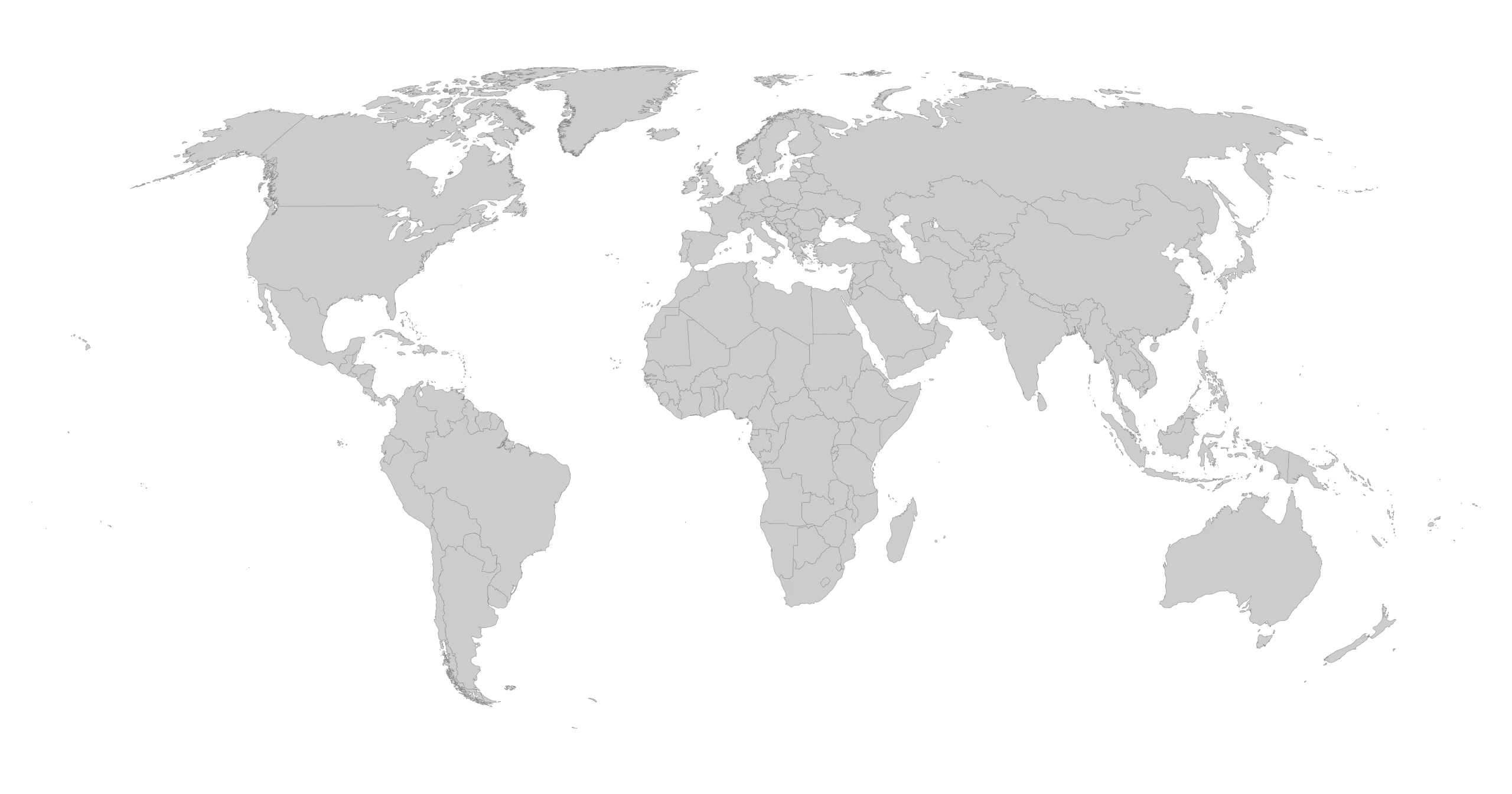
Tsavorite occurs in only a very limited region of the world. This geographical restriction is a key factor in its rarity and its potential for appreciation.

Tsavorite as an Investment

Tsavorite meets many of the criteria of a classic investment gemstone. We recommend it as a valuable addition to the Big Four.

Several weighty arguments speak in favour of tsavorite. It is always untreated, which means maximum security for investors. Its rarity in larger sizes exceeds that of emerald. Its brilliance is higher than that of any other green gemstone. The deposits are geographically extremely limited, and the mines are becoming increasingly exhausted.

Tsavorite gemstone
Tsavorite gemstone

An argument against tsavorite as a sole investment is its lower recognition compared with the Big Four. The stone was only discovered in 1967 and has not yet built up the centuries-old reputation of an emerald or ruby. The secondary market is smaller, which can make reselling more difficult.

Our recommendation is to first build a foundation with the established investment gemstones ruby, sapphire, emerald and tanzanite. Tsavorite is ideally suited as a high-quality addition for investors who have already invested in the Big Four and wish to diversify their portfolio.

We would be happy to advise you on your personal investment strategy – free of charge and without obligation.

Price development of tsavorite

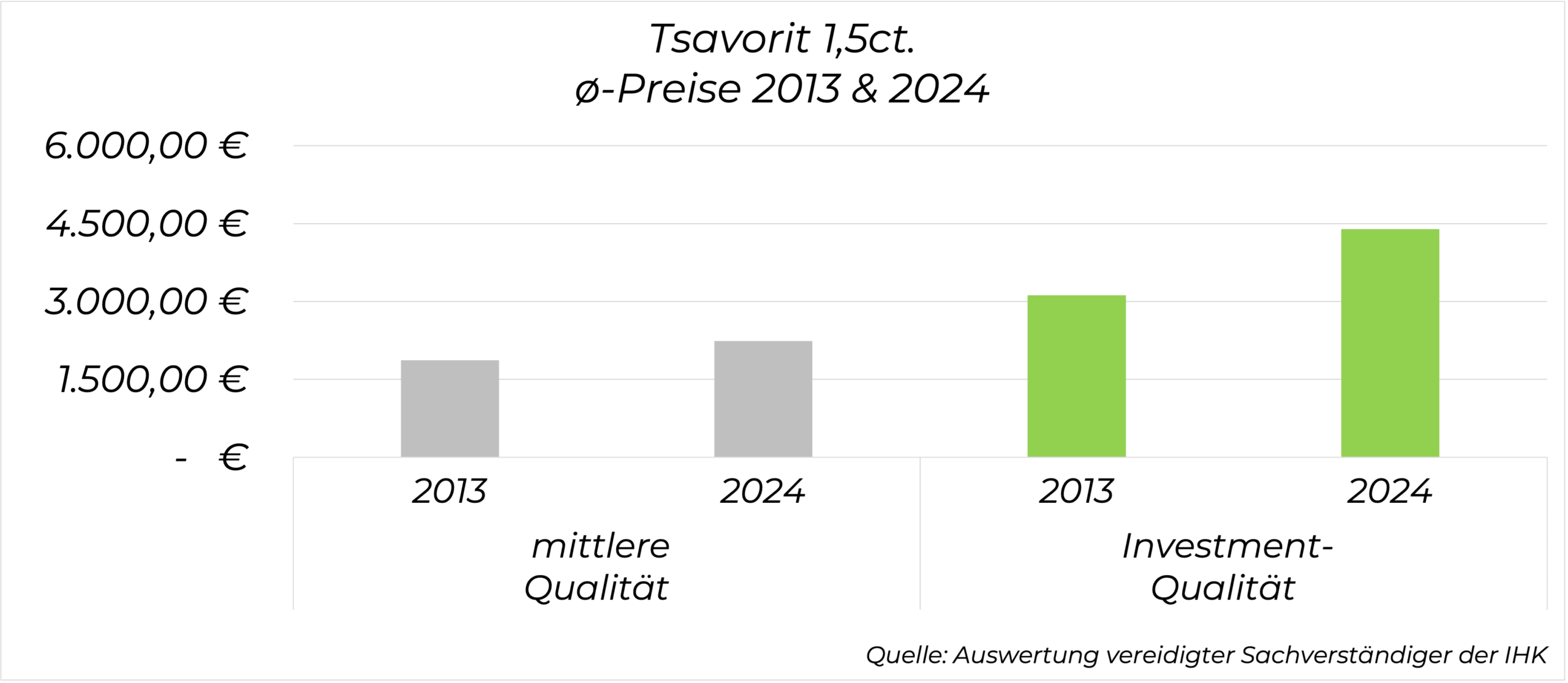
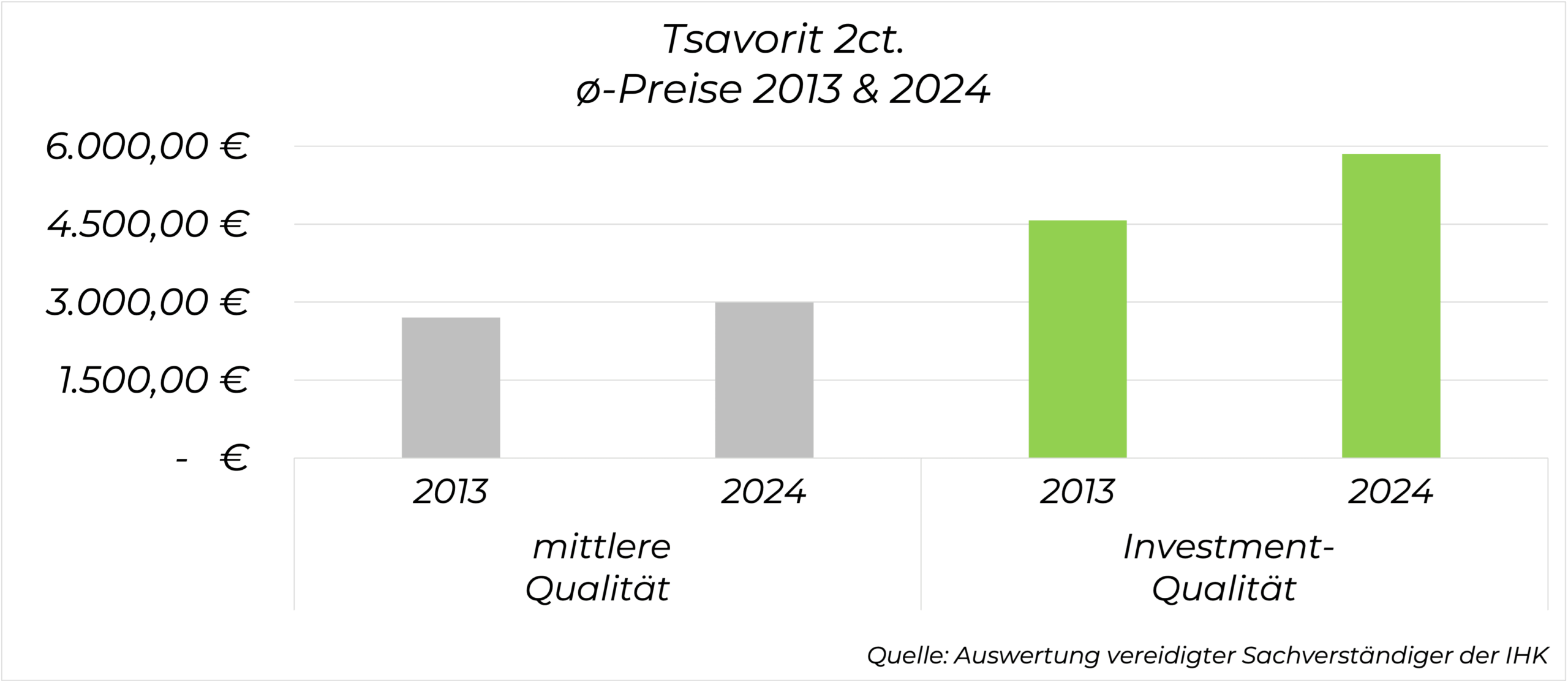
How tsavorite prices have developed is shown by an analysis carried out by a sworn expert appointed by the IHK (German Chamber of Industry and Commerce): he determined the average prices in 2013 and 2024 for tsavorites of 1.5, 2 and 3 ct – in each case in medium quality and in investment quality.

Price development of tsavorite, 1.5 carats

In 2024, a 1.5 ct tsavorite in investment quality cost around €4,400 on average

In 2013, tsavorites of 1.5 ct in investment quality averaged around €3,150. By 2024, their value had risen to around €4,400 – an increase of around 40%. In medium quality, prices only rose from around €1,850 to around €2,200. This means a tsavorite in investment quality costs around €2,900 per carat.

Price development of tsavorite, 2 carats

In 2024, a 2.0 ct tsavorite in investment quality cost around €5,850 on average

At 2 ct, the average price in investment quality rose from around €4,600 (2013) to around €5,850 (2024) – an increase of almost 30%. Stones in medium quality rose from around €2,700 to around €3,000.

Price development of tsavorite, 3 carats

In 2024, a 3.0 ct tsavorite in investment quality cost around €17,900 on average

From 3 ct upwards, tsavorites become much rarer, and this is reflected in the price: in 2024, the average in investment quality was around €17,900 – that is, around €5,900 per carat. In 2013, it was still around €13,700. Stones in medium quality of this size have also become considerably more expensive, rising from around €6,200 to around €11,700.

Please note:

With tsavorite, the price per carat doubles between 2 and 3 ct. Larger stones in top quality are correspondingly rare.

Types of Gemstones