




A Mineralogical Look at Amethyst
Amethyst is the violet variety of the widespread mineral quartz and therefore belongs to the oxide class. Its chemical formula is silicon dioxide (SiO₂), with traces of iron (Fe³⁺ ions), which form colour centres through natural radioactive radiation, responsible for its characteristic violet colour. This colour can vary from a very pale, delicate lilac to a deep, rich purple.
Amethyst crystals form hydrothermally at temperatures between 100 and 250 degrees Celsius in cavities (geodes) or in fissures in volcanic rocks. These geodes can reach considerable sizes and are often lined inside with the typical crystal points.
The most important mining regions for high-quality amethysts today are in Brazil, Uruguay, Zambia, Namibia and Madagascar. Historically, Siberia was also known for excellent qualities, but these mines are considered largely exhausted.
The physical properties of amethyst include a hardness of 7 on the Mohs scale, which makes it relatively resistant to scratches. It has no cleavage, a conchoidal to brittle fracture and a white streak. Its lustre is typically vitreous. Amethyst crystals are usually transparent at the tip and often become milkier or more opaque towards the base. The intensity and distribution of colour as well as clarity are the key criteria for its assessment from a mineralogical and gemmological perspective.
How and Where Is Amethyst Used?
The most common and best-known use of amethyst is as a jewellery stone. Thanks to its attractive violet colour, its hardness and its often good transparency, it is made into a wide variety of jewellery. This includes faceted stones for rings, pendants, earrings and necklaces, as well as cabochons (smoothly polished, domed stones) or tumbled stones for bracelets and chains. Amethyst geodes or larger crystal pieces are also popular decorative and collector’s objects.
In addition to its purely aesthetic use, amethyst also has a long tradition as a symbolic stone. It is the official birthstone for February and is associated with the zodiac sign of Pisces. Traditionally, amethyst jewellery is also given for the 6th and sometimes the 17th wedding anniversary, symbolising deep affection and fidelity.
In esoteric and spiritual circles, amethyst is likewise highly valued and used for various meditative or energetic purposes. Calming and clarifying properties are attributed to it, and it is often associated with the crown chakra.

Is Amethyst Suitable as an Investment?
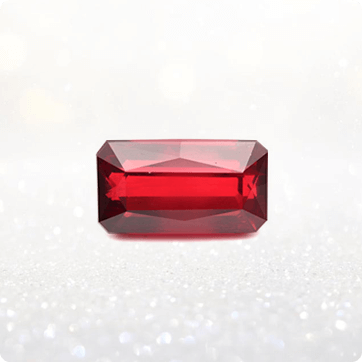
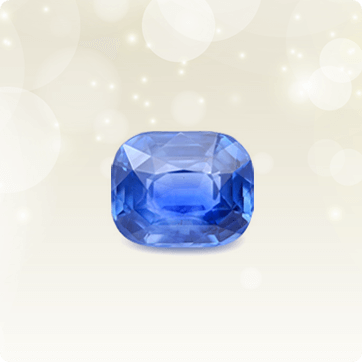
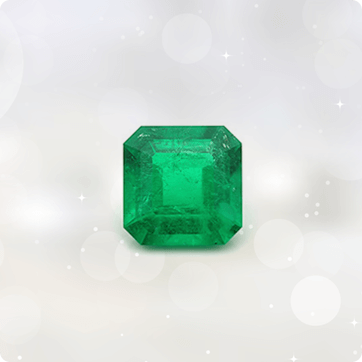
Although amethysts in their finest form can be sought-after and valuable gemstones, they are generally not suitable as a primary investment compared with the so-called “Big Three” of coloured gemstones (ruby, sapphire, emerald). The main reason for this is the relative abundance of good-quality amethysts, which keeps the market broader and prices moderate for most pieces.
Individual, particularly high-quality and rare amethyst varieties, such as the historical Siberian amethyst or excellent pieces from Uruguay with a deep, even colour and high clarity, can certainly fetch considerable prices and be in great demand among collectors. However, reselling such pieces can take a long time, as the specialist collectors’ market is less liquid than the broad market for established investment gemstones.
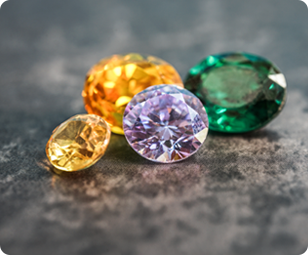
The most important value-determining factors for amethyst are colour intensity and evenness (a rich, deep violet is the most sought after), clarity (as free of inclusions as possible), size and the quality of the cut. Origin can also play a role, with stones from historically significant mines or mines known for top quality being preferred.
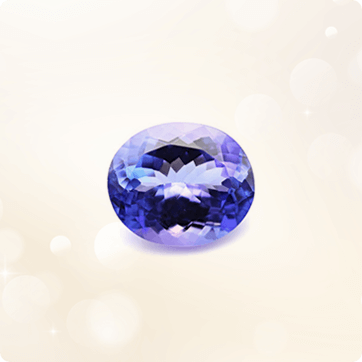
If you are considering an amethyst-like stone as an investment, there are alternatives with greater rarity and stronger demand in the investment segment:
- Tanzanite: can show intense violet to blue-violet hues, but is considerably rarer and found in only one place in the world (Tanzania).
- Spinel: occurs in a wide range of colours, including various shades of violet, which often display high brilliance and are very rare in fine qualities.
In summary: amethysts are primarily beautiful jewellery and collector’s stones. For a serious investment, investors should focus on the established investment gemstones and regard amethysts as a possible addition to an already well-diversified portfolio – provided they are exceptional pieces.