




Golden Beryl

Golden beryl and heliodor refer to the same gemstone: an intensely yellow beryl that belongs to the same mineral family as emerald and aquamarine. Its warm glow is reminiscent of captured sunlight. It is no coincidence that heliodor means “gift of the sun” in Greek.

With its high clarity and usually completely natural appearance, golden beryl is a fascinating gemstone for collectors and connoisseurs. As a pure investment, however, we recommend it only to a limited extent. The market is smaller and less liquid than for the established investment gemstones.

On this page, you will find out what distinguishes golden beryl, what to look out for when buying and which alternatives are suitable for a solid gemstone investment.

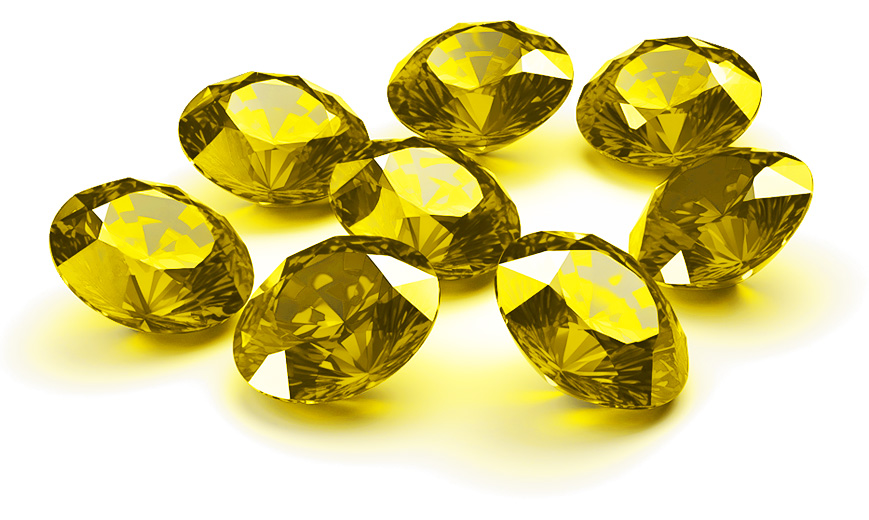
Eight golden beryl gemstones
  • logo-allgemeine-zeitung
  • dawo-logo
  • finanzwelt-logo
  • wallstreet-logo
  • logosachwert-magazin-logo

Golden Beryl and Heliodor

Golden beryl, also known as heliodor, belongs to the same mineral family as emerald and aquamarine. Its intense yellow is reminiscent of captured sunlight. It is no coincidence that heliodor means “gift of the sun” in Greek. Despite its impressive appearance, few investors have had this gemstone on their radar so far.

diamond-blue

What is golden beryl?

Golden beryl is a yellow to golden-orange variety of the mineral beryl. It forms through magmatic processes or deposits of hot, mineral-rich fluids in rock fissures. With a Mohs hardness of 7.5 to 8, golden beryl is harder than quartz and ideally suited to high-quality jewellery.

The characteristic colour of golden beryl is created when aluminium in the crystal lattice is partially replaced by trivalent iron. The colour spectrum ranges from light lemon yellow through warm gold to a strong orange-yellow. Some specimens also show greenish-yellow nuances.

pear-blue

Golden beryl and heliodor compared

Today, the terms golden beryl and heliodor are used synonymously. Both describe the same yellow beryl. Historically, there was a subtle distinction: golden beryl tended to refer to pure yellow tones, heliodor to greenish-yellow nuances. In modern gemmology, this distinction hardly plays a role any more. What matters for value are colour intensity, clarity and size.

The name heliodor comes from Greek: helios means sun, doron means gift. The term was coined in 1910, when significant deposits were discovered in Namibia. Golden beryl is the older, purely descriptive term for the golden-yellow colour.

square-diamond

Properties of golden beryl

Colour: lemon yellow to orange-yellow, sometimes with greenish nuances

Clarity: usually eye-clean, without visible inclusions

Treatment: as a rule untreated and completely natural

Related stones: emerald, aquamarine, morganite

Where Is Golden Beryl Mined?

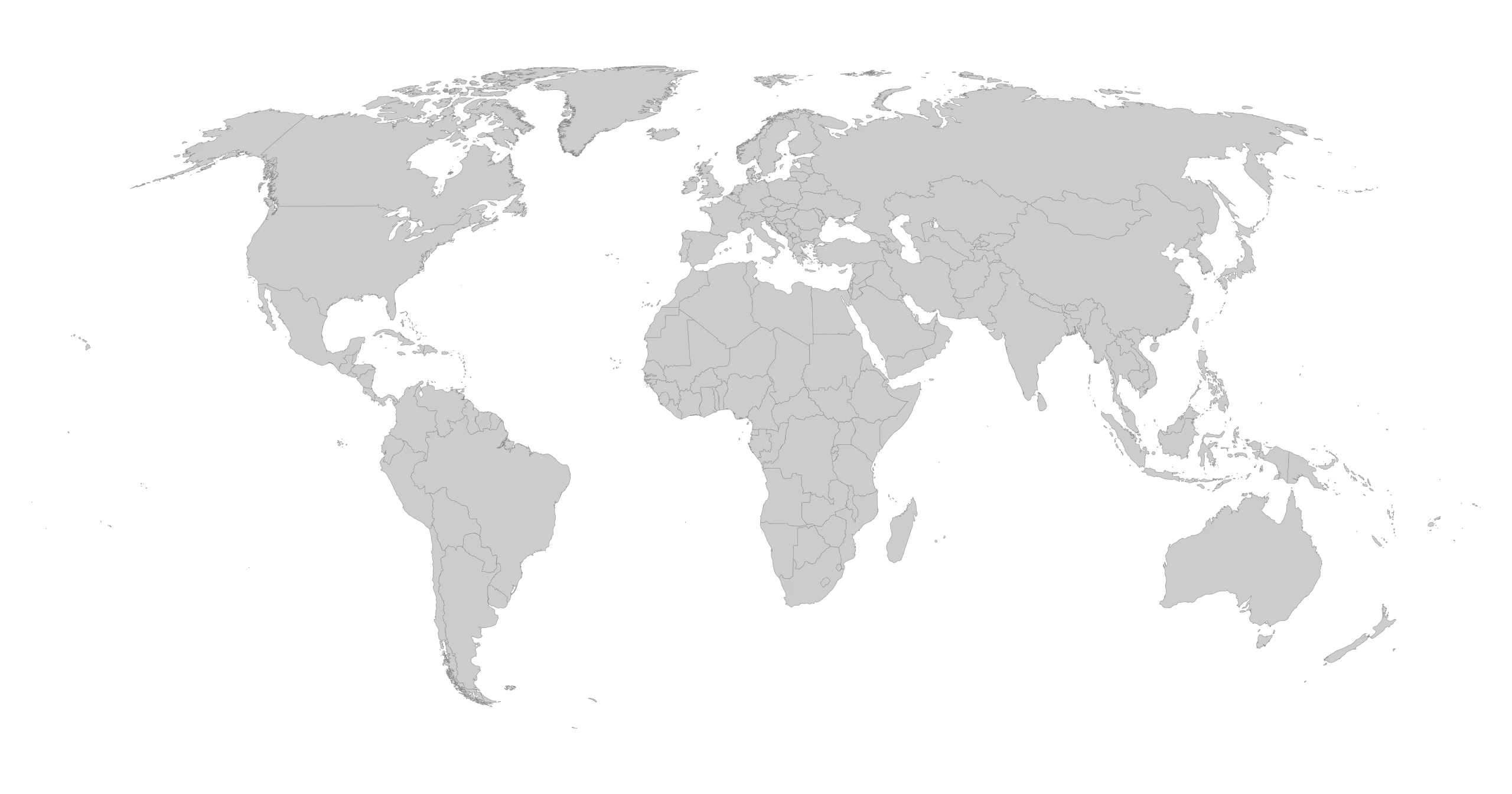
High-quality golden beryls and heliodors come from Brazil, Sri Lanka and Madagascar. The deposit that gave heliodor its name is in Namibia, where the first significant heliodor finds were made in 1910. Further deposits are found in Pakistan, Afghanistan, Ukraine and the USA.

Origin has a considerable influence on the value of a golden beryl. Stones from regions known for intense colouring command premium prices.

gems
Gem

Uses of golden beryl

Golden beryl is made into exclusive jewellery. Faceted cuts with many facets show off its warm brilliance to best effect. Unlike emerald, golden beryl is normally neither oiled nor otherwise treated. Connoisseurs and collectors value this completely natural appearance.

Historical significance

Yellow beryl looks back on a long history. The Bible names it as one of the twelve foundation stones of the city wall of Jerusalem. In Judaism, golden beryl stood for spiritual strength; in antiquity, it symbolised prestige and marital fidelity. Emperor Wilhelm II compared its lustre to the “colour of fine old Moselle wine”.

Is Golden Beryl Suitable as an Investment?

Golden beryl offers interesting potential for investors.

The strengths of golden beryl

Golden beryl is usually untreated and completely natural. It rarely shows visible inclusions and is closely related to the highly prized emerald. Demand from collectors is rising, while entry prices are still moderate.

Eight golden beryl gemstones

The limitation

Golden beryl can be a sensible addition to a gemstone portfolio. For the core of an investment, however, we recommend the established coloured gemstones with higher liquidity and a broader investor base.

The established foundation for your portfolio

If you are looking for coloured gemstones as a core investment, this is where you will find the greatest value stability.

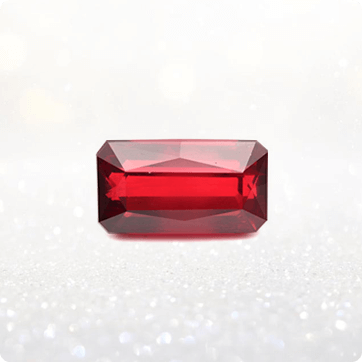
Rubies – the king of gemstones with proven value development

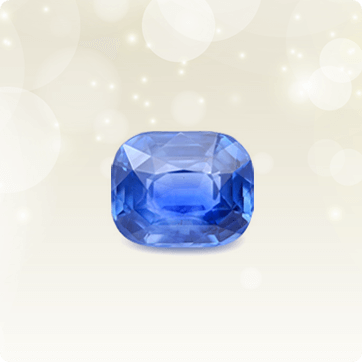
Sapphires – worldwide demand and liquid markets

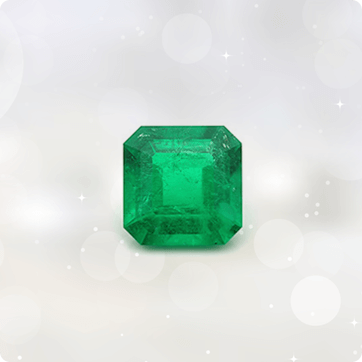
Emeralds – golden beryl’s green relative, with an established investment market

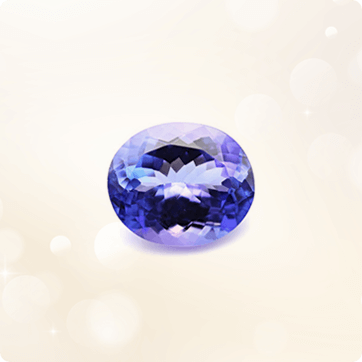
Tanzanites – extremely rare, mined in only one place in the world

Eight golden beryl gemstones

Price development of golden beryl

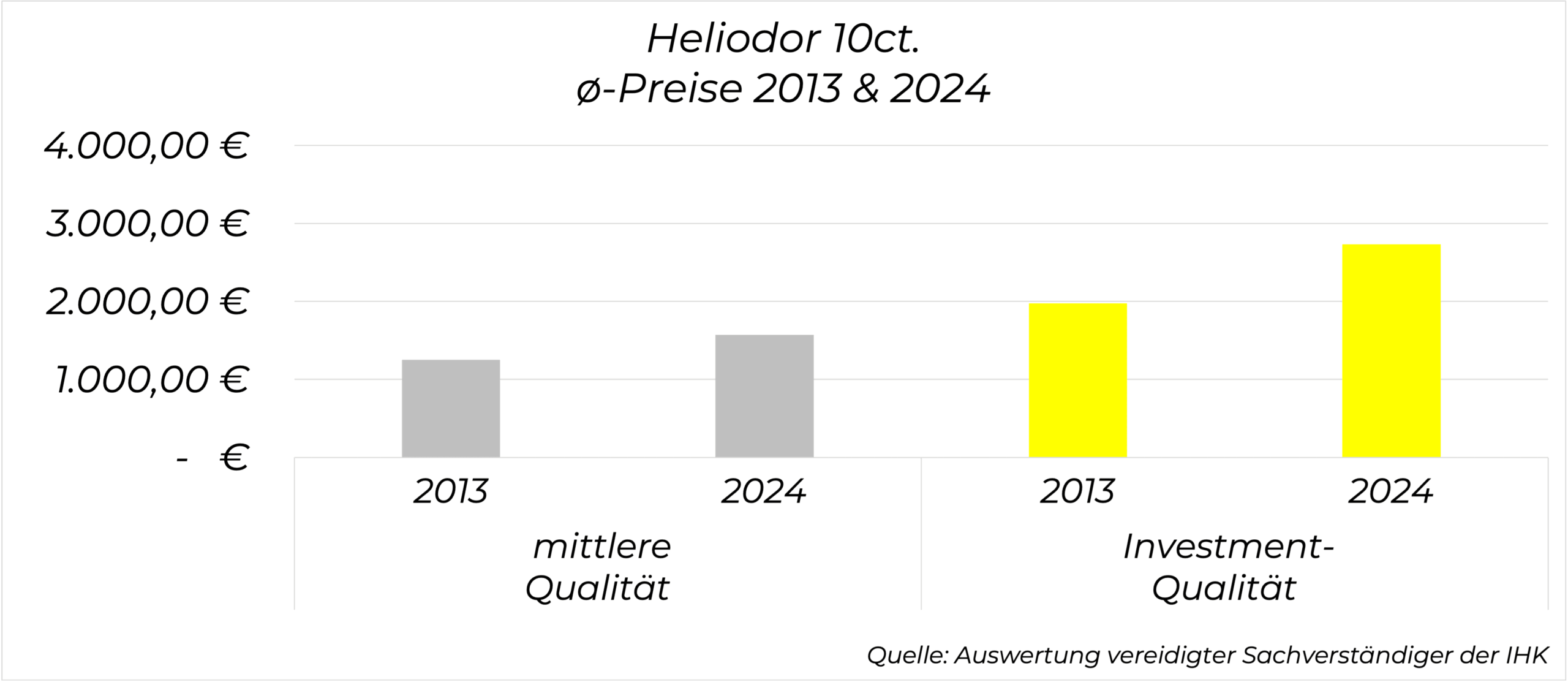
How golden beryl prices have developed is shown by an analysis carried out by a sworn expert appointed by the IHK (German Chamber of Industry and Commerce): he determined the average prices in 2013 and 2024 for golden beryls (heliodors) of 5, 10 and 15 ct – in each case in medium quality and in investment quality. For comparison, we also list our current prices (as of 2026).
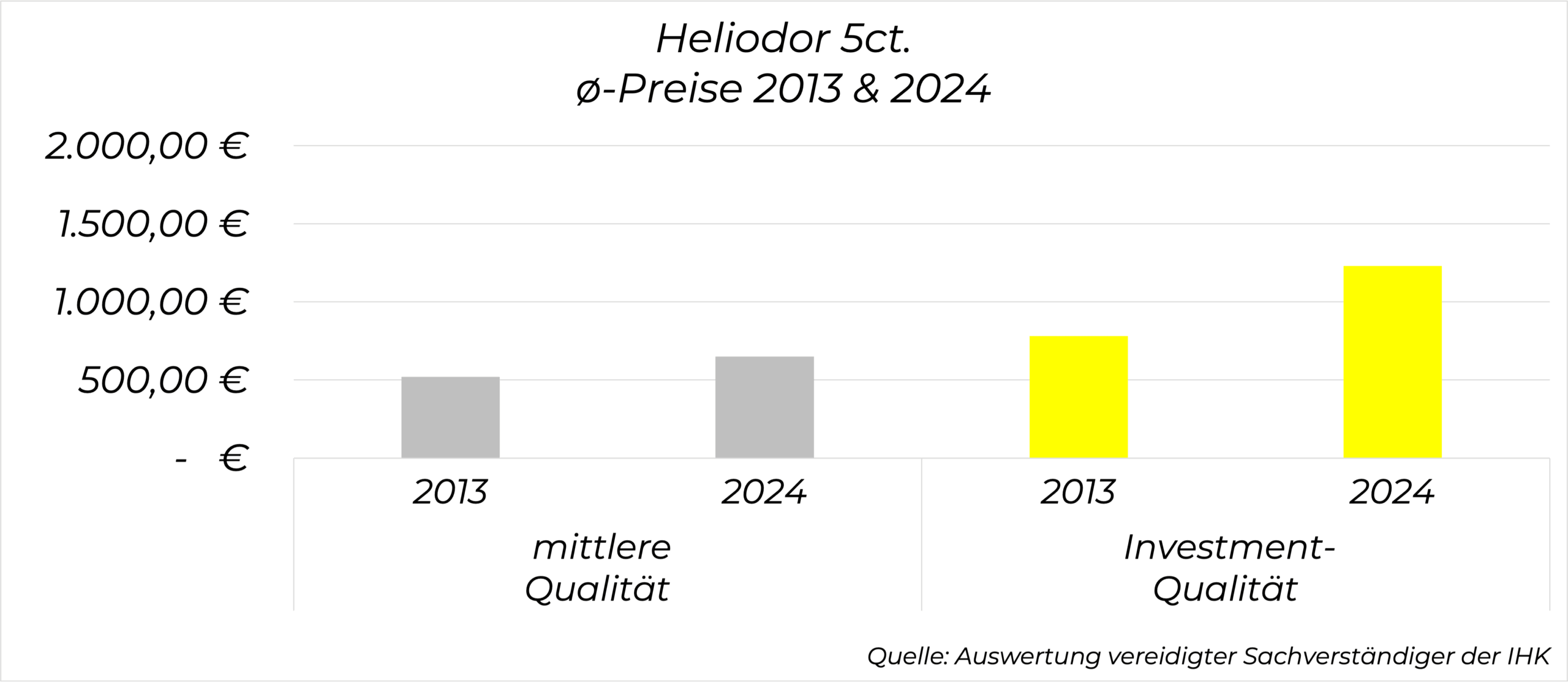
Price development of heliodor, 5 carats

In 2024, a 5.0 ct golden beryl in investment quality cost around €1,200 on average

In 2013, five-carat stones in investment quality averaged around €770. By 2024, their value had risen to around €1,200 – an increase of almost 60%. In medium quality, prices only rose from around €520 to around €650.

Price development of heliodor, 10 carats

In 2024, a 10.0 ct golden beryl in investment quality cost around €2,700 on average

For ten-carat stones, the average price in investment quality rose from around €1,950 (2013) to around €2,700 (2024) – an increase of almost 40%. Stones in medium quality rose from around €1,250 to around €1,550.

For comparison, our current range (as of 2026): golden beryls of 9 and 11.2 ct cost €2,700 and €3,700 with us – that is, around €300 to €330 per carat.

Price development of heliodor, 15 carats

In 2024, a 15.0 ct golden beryl in investment quality cost around €4,050 on average

At 15 ct, the average in investment quality was around €3,100 in 2013 and around €4,050 in 2024 – an increase of just over 30%. In medium quality, prices rose from around €2,000 to around €2,300.

Please note:

Golden beryl is less expensive than most coloured gemstones, and its price rises more slowly. It can be a sensible addition to a portfolio, but not its foundation.

Types of Gemstones