




A Mineralogical Look at Citrine
Citrine is the yellow to brownish-orange or reddish-orange variety of the mineral quartz and therefore belongs to the oxide class, with the chemical formula SiO₂. Citrine is characterised by its macrocrystalline structure, which means that the individual crystals can often be seen with the naked eye. It forms mainly in igneous rock, especially in granitic pegmatites.
Natural colouring is rare and can come about in two ways: either through submicroscopic inclusions of iron(III) oxide-hydroxide particles, or through traces of aluminium and lithium in the crystal lattice, which, in combination with natural radioactive radiation, create a yellowish-green colour centre. Naturally coloured citrines are often pale yellow and can show slight pleochroism – a subtle change of colour depending on the viewing angle.
This pleochroism is a hallmark of natural citrine. A particularly sought-after natural colour variety is the glowing reddish Madeira citrine.
However, the vast majority of citrines on the market are not naturally coloured, but are produced by heating (heat treatment at approx. 400–500°C) amethyst or smoky quartz. Heated amethyst typically takes on an orange-yellow to reddish-brown tint, while heated smoky quartz tends to show a light yellow.
The most important mining regions for naturally coloured citrines of good quality are in Brazil (e.g. Minas Gerais, Rio Grande do Sul), Madagascar, Uruguay and Mozambique. Finds from these regions are considered particularly valuable.
How and Where Is Citrine Used?
Citrine is mainly used in jewellery. Its warm, sunny colour makes it a popular gemstone for rings, pendants, earrings, bracelets and other pieces. As genuine, naturally coloured specimens of intense colour are very rare, many commercial designs use treated citrine (usually heated amethyst) or, more rarely, artificially irradiated quartz.
Historically, citrine was already prized as a jewellery stone in ancient Greece and by the Romans. Its most glamorous appearance, however, was at the court of Louis XIV, the French “Sun King”. The sun-yellow gemstone was frequently set in magnificent pieces of jewellery there and symbolised light and power.
In addition, citrine is used in esotericism and crystal healing. Various positive effects are attributed to it: it is said to stimulate creativity, strengthen intuition, boost self-confidence and have a generally positive emotional effect. In astrology, citrine is traditionally associated with the signs of Gemini, Leo and Virgo and recommended as a supportive companion.

Is Citrine Suitable as an Investment?
Although natural, high-quality citrines are certainly rare and are valued by collectors and jewellery lovers for their beauty and historical significance, in our view they are hardly suitable as a primary investment. Prices for most citrines, even natural ones, are relatively low compared with the established investment gemstones.
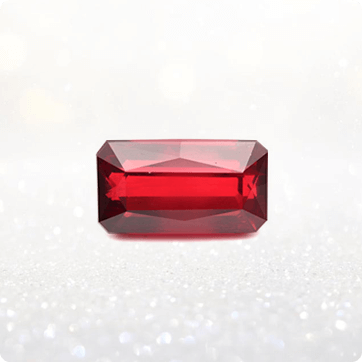
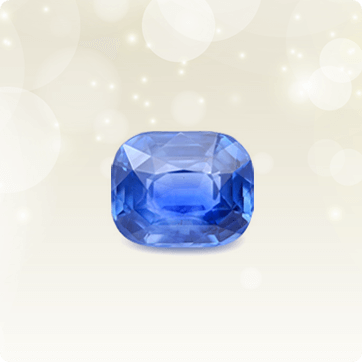
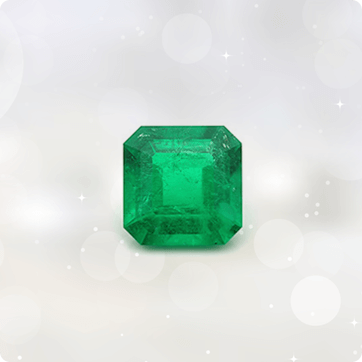
The rarity of natural citrines and the limited number of sources worldwide that supply high-quality specimens do contribute to a certain stability of value, especially for collector’s pieces. The historical association with figures such as Louis XIV can also increase its sentimental value. However, a significant, long-term increase in value such as that observed for the “Big Three” of coloured gemstones (ruby, sapphire, emerald) is hardly to be expected for citrines. In addition, the market for treated citrines (heated amethyst) is very large, which keeps the price of “standard citrine” low.
If you are looking for gemstones as an investment that resemble citrine in colour but have higher demand and better potential for appreciation in the investment sector, we recommend the following alternatives:
- Heliodor (golden beryl): a variety of beryl that shows a bright yellow to golden yellow and can come very close to citrine.
- Peridot: depending on its saturation, its greenish-yellow nuances can be reminiscent of greenish citrines, and it is established as a gemstone in its own right.
For a solid investment, you should therefore focus on the established gemstones mentioned. Citrine remains a beautiful jewellery stone with a rich history, whose value lies primarily in its aesthetics and individual appeal.