Tourmaline
When you buy a tourmaline, you are investing in a true “chameleon of coloured gemstones”. Its many varieties are not only beautiful and fascinating, but in some cases also exceptionally valuable. As with opal, this very diversity offers a great opportunity: most investors actually only have part of the spectrum in view and underestimate its full potential. For you, this can mean attractive entry opportunities with solid value development.
On this page, you will find out why it can make sense to use tourmaline as an investment, which varieties are particularly sought after and which are the most important mining regions. But first, a quick overview of our range.





Tourmaline
Hardly any gemstone is as versatile as tourmaline. Its colour palette ranges from deep green and radiant pink to the electric blue of the legendary Paraíba. This diversity fascinates collectors and jewellery lovers alike. But precisely because tourmaline occurs in so many varieties, investors face a crucial question: which specimens are truly valuable, and which remain beautiful jewellery stones without any significant potential for appreciation?
Tourmaline at a glance
Tourmaline is not a single type of gemstone, but an entire mineral group comprising more than 30 different species. This complexity makes it unique, but also confusing for newcomers. The name comes from the Sinhalese word “turmali”, which aptly means “mixed stone”.
With a hardness of 7 to 7.5 on the Mohs scale, tourmaline is well suited to jewellery. Historically, it was often mistaken for other gemstones: red tourmalines were thought to be rubies, green ones emeralds. It was not until the 18th century that it was recognised as a mineral group in its own right.

The Varieties of Tourmaline
Paraíba tourmaline
Paraíba tourmaline is the exception among tourmalines. Its neon-blue glow, caused by copper inclusions, is unique worldwide. Discovered in Brazil in 1989, it is now one of the most expensive gemstones of all. Top specimens reach over €50,000 per carat. The original mine is almost exhausted.
Rubellite shows intense pink to red tones and is often compared to ruby. As a variety traded in its own right, it deserves special attention. You can find out more about this fascinating stone on our rubellite page.
Green tourmaline
Green tourmalines are the most common variety. Verdelite refers to the classic green form. Rarer and more valuable is chrome tourmaline, whose intense green comes from the same element that gives emerald its colour.
Indigolite
Blue tourmalines with deep hues are called indigolite. They are reminiscent of sapphires, but remain considerably cheaper and less stable in value.
Watermelon tourmaline
This special variety shows a pink core with a green outer layer. This rare natural phenomenon delights collectors, but remains a connoisseur’s piece without any real investment potential.

The variety of colours
Tourmaline occurs in practically every colour: red, pink, green, blue, yellow, orange, brown, black and colourless. Some crystals even display several colours at once.
The colours are caused by various trace elements. Iron produces blue and green. Manganese creates pink and red. Chromium gives an emerald-like green. Copper produces the neon glow of Paraíba tourmalines.
Mining regions
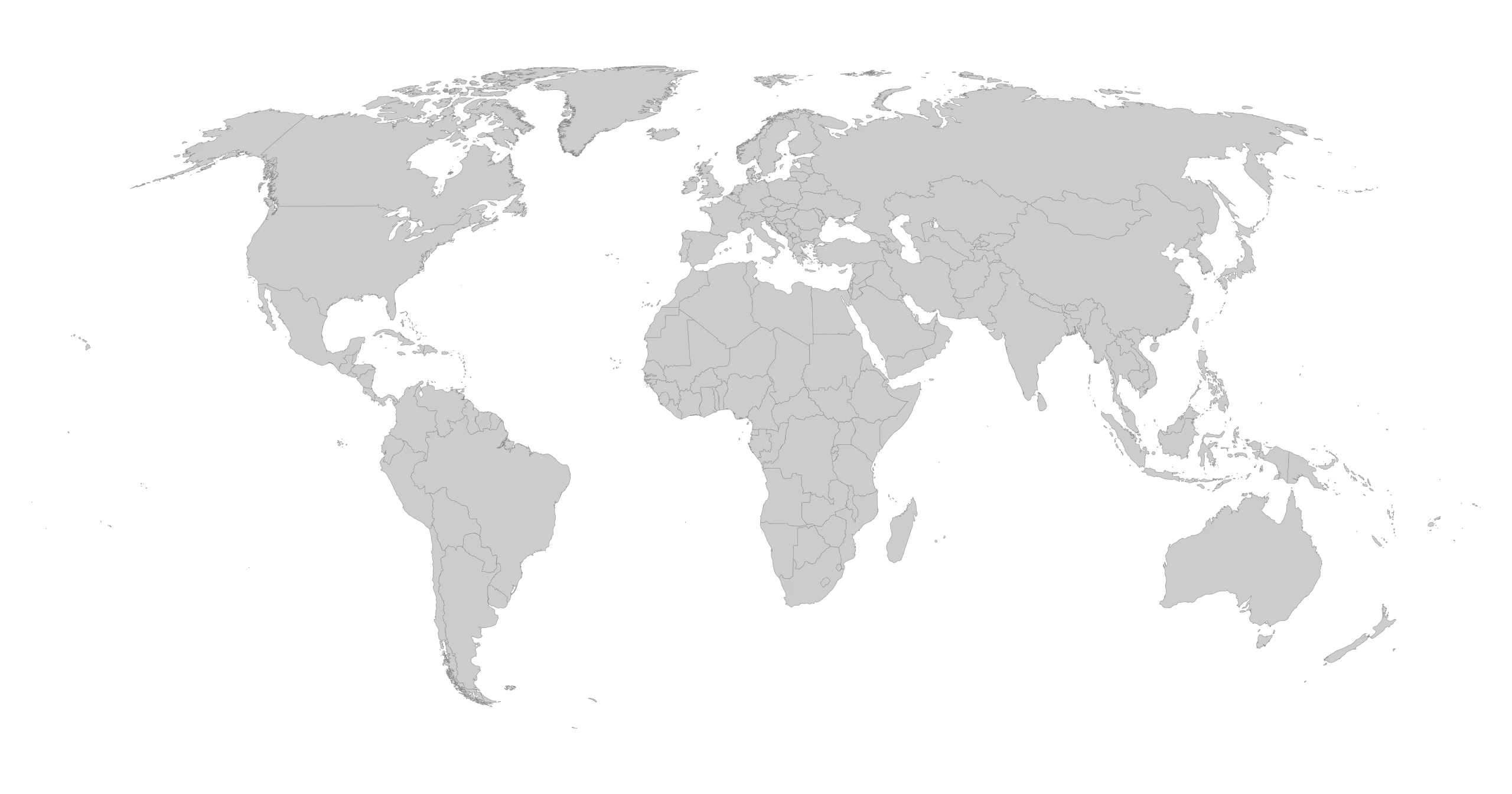
Brazil supplies the highest-quality tourmalines, especially from Minas Gerais. The famous Paraíba tourmalines come from the state of the same name. Africa is gaining in importance: Mozambique, Nigeria and Tanzania also mine copper-bearing tourmalines, although these do not reach the prices of the Brazilian stones.
Tourmaline mining regions worldwide
Origin is a key factor in a tourmaline’s value. Paraíba tourmalines from Brazil are among the most expensive gemstones in the world and fetch prices of over €20,000 per carat.
Paraíba tourmaline
Paraíba type
Other mining region

Brazil
The state of Paraíba supplies the most valuable tourmalines in the world. The unique neon blue, caused by copper content, fetches prices of over €20,000 per carat.

Mozambique
Since 2005, copper-bearing tourmalines have been found here. The stones resemble Brazilian Paraíbas and also fetch high prices on the world market.
Afghanistan
The Panjshir Valley supplies richly coloured green and blue tourmalines. The quality is excellent, but production is limited by the political situation.

Madagascar
Known for multicoloured tourmalines and intense rubellites in pink and red. The island offers an impressive variety of colours.
Tourmaline as an investment
This is where it gets sobering for investors. Tourmaline’s great diversity is also its problem as an investment. The market is fragmented and hard to navigate. Valuations fluctuate considerably. Reselling is difficult because there are no buyers for most varieties.
The exception: Paraíba
Only Paraíba tourmaline has proven to be stable in value. The exhaustion of the original mine is driving prices up. But beware: genuine Brazilian Paraíba tourmalines in investment quality already cost five-figure sums per carat at entry level. African stones with a similar appearance do not reach these values.
The reality for other varieties
Green tourmalines, indigolites and even good rubellites struggle with high availability and limited demand. They are beautiful jewellery stones, but not reliable investments. The specialist collectors’ market is small and not very liquid.
The better choice for your investment
Anyone looking for coloured gemstones as a genuine investment should rely on the established classics. These stones offer worldwide demand, standardised valuation and liquid markets for resale.
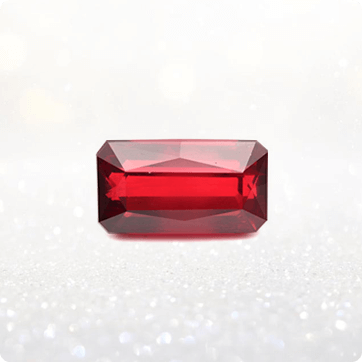
Rubies have been regarded as the king of gemstones for centuries. Their value development is documented and traceable. Untreated rubies of top quality regularly achieve record prices at international auctions.
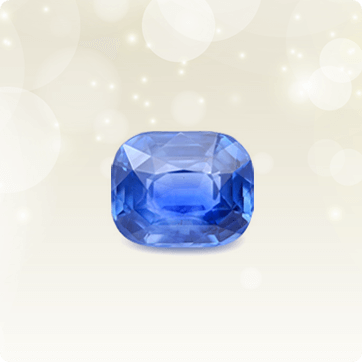
Sapphires impress with worldwide recognition and stable demand. Royal blue is timelessly sought after. The market is transparent and reselling is straightforward.
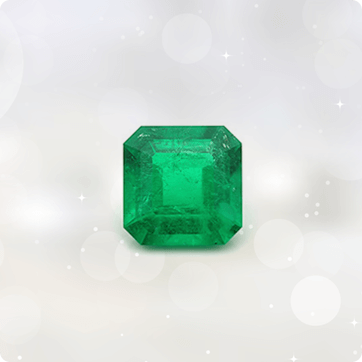
Emeralds have fascinated people since antiquity. Their intense green is unmistakable. Colombian emeralds of top quality are among the most valuable gemstones of all.
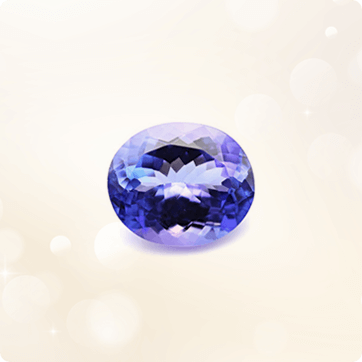
Tanzanites are a thousand times rarer than diamonds. They occur in only one place in the world. This extreme rarity makes them particularly interesting for investors.
These four gemstones offer what tourmaline lacks: an established investment market with international buyers and reliable price development.
Price development of green tourmaline
How green tourmaline prices have developed is shown by an analysis carried out by a sworn expert appointed by the IHK (German Chamber of Industry and Commerce): he determined the average prices in 2013 and 2024 for green tourmalines of 8, 15 and 20 ct – in each case in medium quality and in investment quality.
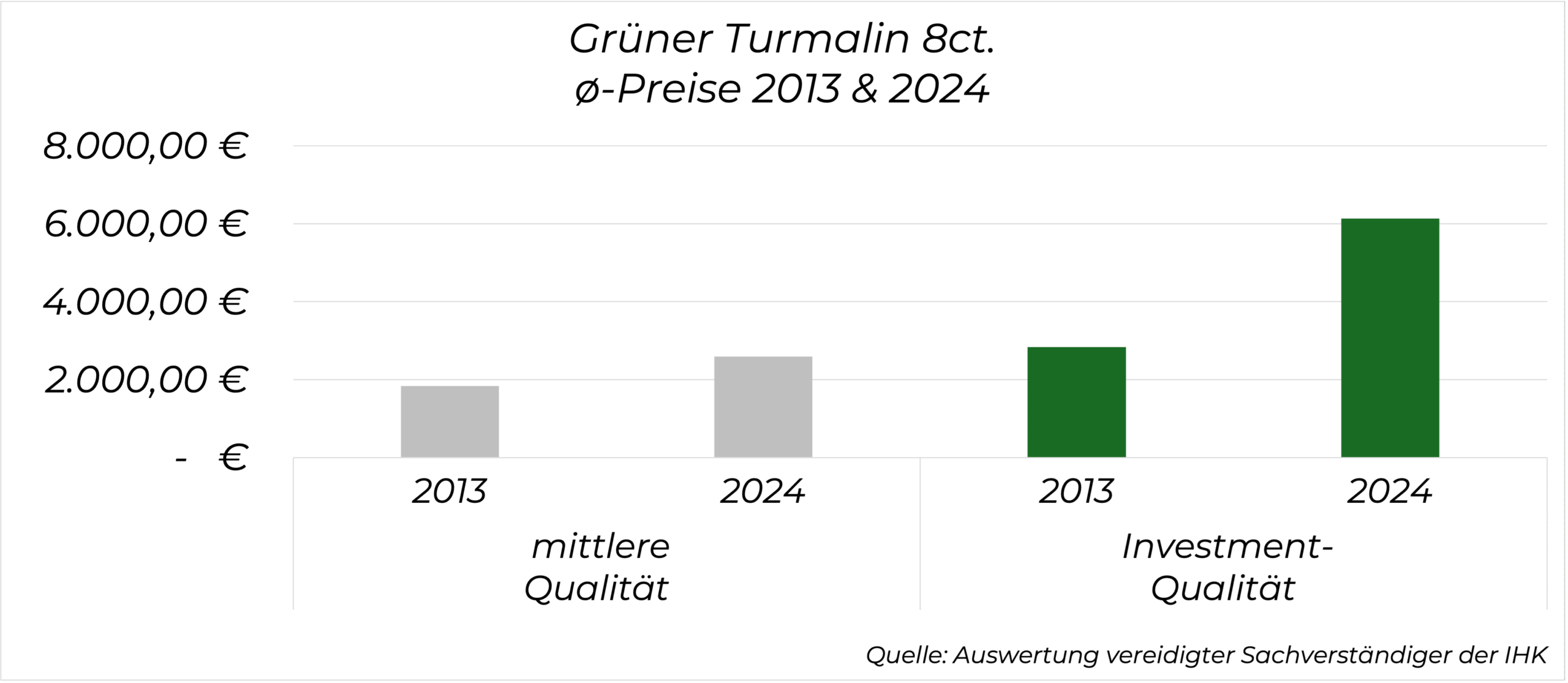
In 2024, an 8.0 ct green tourmaline in investment quality cost around €6,150 on average
In 2013, green tourmalines of 8 ct in investment quality averaged around €2,850. By 2024, their value had risen to around €6,150 – more than double. In medium quality, prices only rose from around €1,850 to around €2,600.
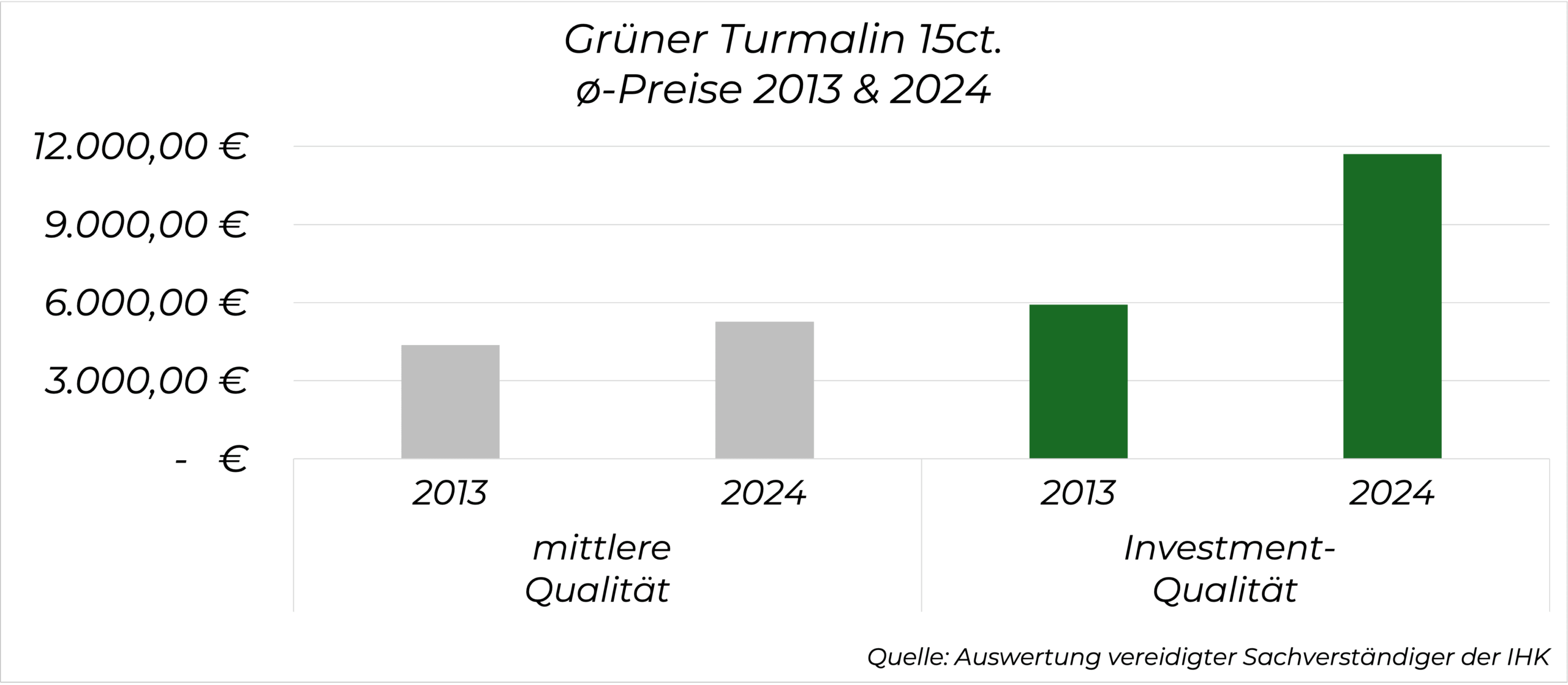
In 2024, a 15.0 ct green tourmaline in investment quality cost around €11,700 on average
At 15 ct, the average price in investment quality almost doubled from around €5,950 (2013) to around €11,700 (2024). Over the same period, stones in medium quality only gained around 20%, from around €4,400 to around €5,250.

In 2024, a 20.0 ct green tourmaline in investment quality cost around €15,500 on average
Twenty-carat stones in investment quality also almost doubled in value: from around €7,900 (2013) to around €15,500 (2024). In medium quality, prices rose from around €5,800 to around €6,950.
Please note:
With green tourmaline, the gap between qualities is large across all sizes. Stones in investment quality have roughly doubled since 2013, while stones in medium quality have only become 20 to 40% more expensive.