Kunzite
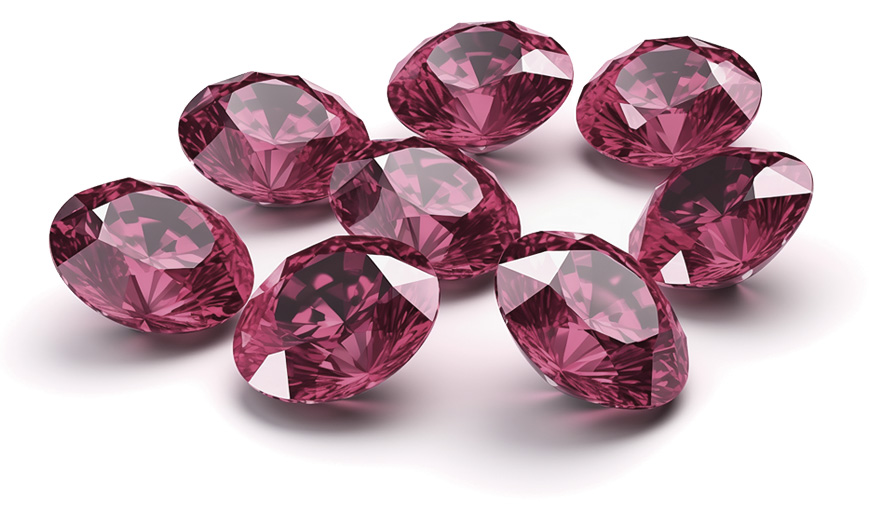
Kunzite impresses with its delicate pink to strong violet-pink colour and a lustre that is often compared to that of diamonds. As a member of the spodumene family, it is a relatively young gemstone that was only scientifically described in 1902.
On this page, you will find out which quality criteria a kunzite must meet, why storage requires special attention and whether this gemstone is suitable as an investment.





What Is Kunzite?
Kunzite belongs to the spodumene mineral group and is therefore a relative of green hiddenite. It owes its characteristic pink to violet-pink colour to traces of manganese in the crystal lattice. The name honours the American gemmologist George Frederick Kunz, who was the first to describe the stone scientifically.
Kunzite often occurs in large, transparent crystals. Stones of 10, 20 or even 50 carats are not uncommon. This availability in large sizes distinguishes it from many other coloured gemstones and influences the price per carat.

What Makes a Kunzite Valuable?
The value of a kunzite is determined by several factors. Colour, clarity and cut play the decisive role.
Colour
Colour intensity is the most important criterion. The most valuable kunzites show a rich, intense pink with a hint of violet. Pale or overly light stones are worth considerably less. The colour should be evenly distributed without visible colour zoning.
A special feature of kunzite is its pronounced pleochroism. Depending on the viewing angle, the same stone shows different colour intensities, from almost colourless to intense pink. An experienced cutter orients the stone so that the table shows the most intense colour.
Clarity
High-quality kunzites are often eye-clean or almost free of inclusions. The good availability of clean material means that stones with visible inclusions are hardly suitable as an investment. For an investment, the stone should be loupe-clean or at least eye-clean.
Cut
The cut must take the pleochroism into account and show off the colour to best effect. Popular cuts are oval, cushion and step cut. A well-cut kunzite shows a lively lustre and makes the colour appear evenly from all sides.
Carat weight and price
As kunzite occurs in large crystals, the price per carat does not rise as steeply with size as it does for rarer gemstones. Investment quality with intense colour and high clarity costs between €30 and €150 per carat. Exceptional specimens from Afghanistan can reach up to €300 per carat.
For an investment, we recommend stones of 10 carats or more with intense colour. Smaller stones are cheaper, but offer less potential for appreciation.

Light sensitivity of kunzite
One particular characteristic of kunzite requires special attention: the stone can fade with prolonged exposure to sunlight. This light sensitivity mainly concerns intense UV radiation.
For storage, this means that kunzites should be kept in the dark. A piece of jewellery set with kunzite should not be permanently displayed in a shop window or exposed to intense sunlight. When stored properly in a jewellery box or safe, the stone retains its colour permanently.
For investors, this property is important to know, but it does not pose a real problem. An investment stone is kept securely anyway and not worn every day.
Mining regions
Origin has a considerable influence on the quality of a kunzite. Afghanistan is regarded as the most important source of high-quality stones.
Mining regions – where do the best kunzites come from?
Origin has a considerable influence on the quality of a kunzite. Afghanistan is regarded as the most important source of stones with the most intense pink colour.
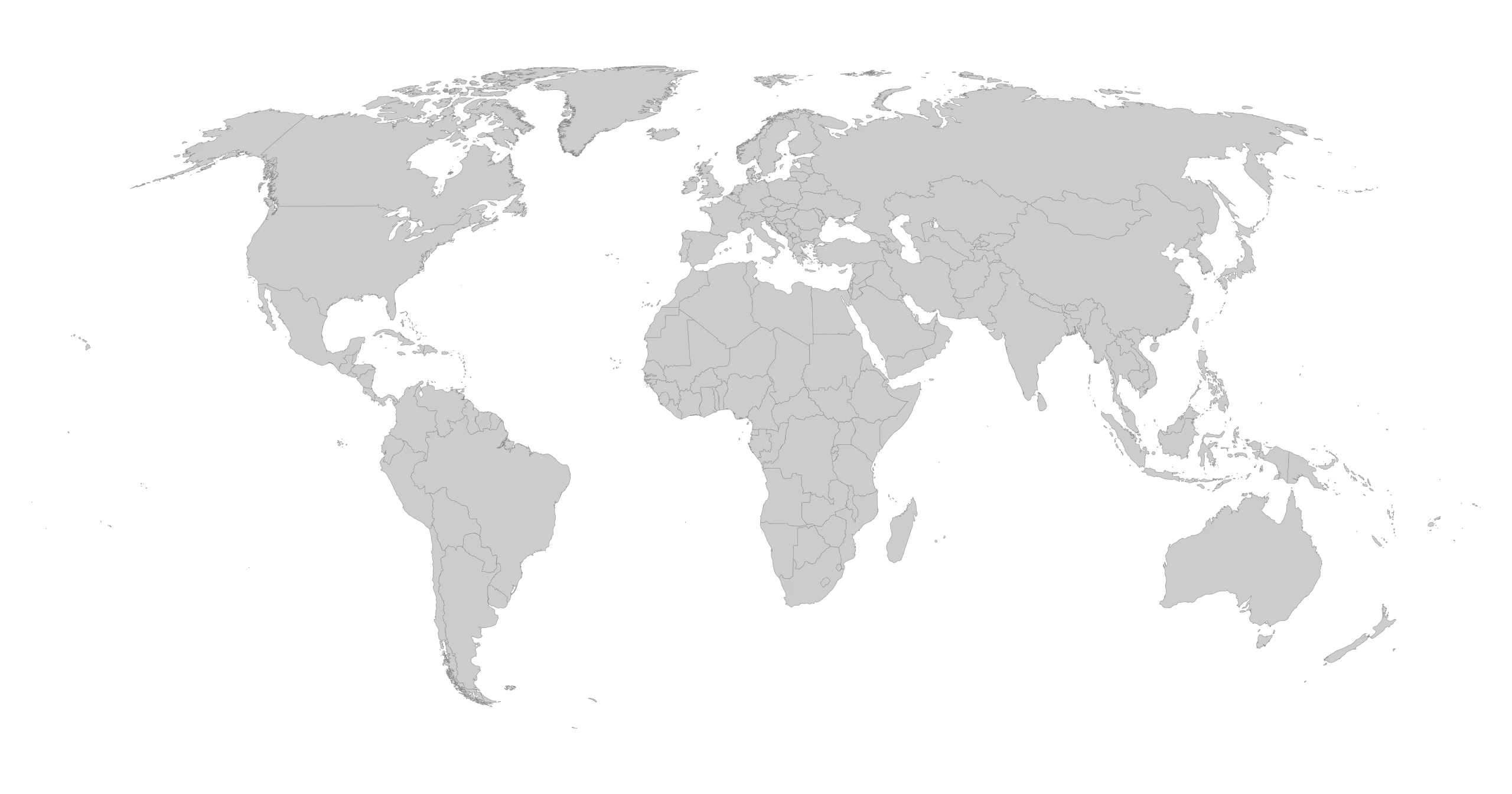
Kunzite mining regions worldwide
The Kunar Valley in Afghanistan supplies the world’s most sought-after kunzites with the most intense pink. Brazil and Madagascar complement the supply with good qualities.

Afghanistan
The Kunar Valley supplies the world’s most sought-after kunzites. The stones show the most intense pink and reach prices of over €300 per carat.

Brazil
The state of Minas Gerais produces large kunzite crystals of good quality. The colours are often somewhat lighter than those of Afghan stones.

Madagascar
The island supplies increasingly high-quality kunzites with good colour saturation. An emerging mining region with potential for collectors.

Pakistan
The northern regions supply kunzites of good quality. The stones resemble Afghan specimens, but rarely reach their colour intensity.
Recognising Kunzite
Kunzite has several characteristic properties that make it possible to identify.
Recognising genuine kunzite
The pronounced pleochroism is an important identifying feature: when the stone is turned, the colour intensity changes noticeably. Kunzite also shows perfect cleavage in two directions, which requires care when cutting.
Under long-wave UV light, kunzite often fluoresces orange or yellowish. This property can help with identification, but is not equally pronounced in all stones.
Confusion and treatments
Pink kunzite can be mistaken for pink tourmaline, pink topaz or morganite. Distinguishing them requires gemmological testing. Treatments are rare with kunzite. Occasionally, attempts are made to intensify the colour by irradiation, but this is not permanent.
For valuable stones, we recommend a certificate from a recognised gemmological institute.
Kunzite as an investment
Kunzite is a beautiful gemstone with a special charm. However, we do not recommend it as a primary investment.
Arguments in favour of kunzite include its attractive prices and the opportunity to acquire large, high-quality stones. Demand among collectors is stable, and high-quality specimens from Afghanistan are becoming increasingly rare.
Several factors speak against kunzite as a main investment. Its good availability in large sizes limits the potential for appreciation. Its light sensitivity requires particular care in storage. There is no established secondary market for resale.
Our recommendation is therefore to invest first in the established investment gemstones ruby, sapphire, emerald and tanzanite. Kunzite can be a lovely addition for connoisseurs, but it does not meet the criteria of a classic investment gemstone.
We would be happy to advise you on your personal investment strategy – free of charge and without obligation.