




A Mineralogical Look at Labradorite
Labradorite belongs to the extensive feldspar group and, within it, is a sodium-calcium-aluminium silicate – more precisely, a member of the plagioclase solid-solution series. It is a mixed crystal composed mainly of albite (sodium aluminium silicate) and anorthite (calcium aluminium silicate). It used to be regarded as a mineral in its own right; today it is understood as a member of this continuous series. Mineralogically, it is closely related to other well-known feldspars such as moonstone, sunstone and Tibetanite.
Labradorite can form in two main ways. On the one hand, it forms magmatically when silica-rich rock melts cool slowly and it crystallises in rocks such as gabbro, basalt, anorthosite or, more rarely, dunite. On the other hand, it can also form metamorphically, i.e. through the transformation of existing rocks under high pressure and extreme temperatures, in which case it is found mainly in amphibolites.
Labradorite owes its name to the place where it was first described: the Labrador Peninsula in Canada. It was first documented and scientifically described there in 1770 by the Moravian missionary Father Adolf.
The most outstanding feature of labradorite is labradorescence. This term describes a metallic, often iridescent sheen that seems to glide across the surface of the stone as it moves. This fascinating play of colour is caused by the refraction and interference of light on microscopically fine exsolution lamellae of differing composition within the crystal. Depending on the angle of incidence of the light and the orientation of these lamellae, a lively play of predominantly metallic colours appears. Blue tones are particularly common and prized, but green, yellow, golden, orange, reddish or even violet reflections are also possible and contribute to the uniqueness of each stone.
The most important and historically significant mining region for labradorite is the Labrador Peninsula in Canada, which gave the stone its name. Today, however, particularly sought-after specimens with intense labradorescence often come from Finland (known for spectrolite) and Madagascar.
How and Where Is Labradorite Used?
Because of its unique optical effects, labradorite is primarily used in jewellery. Its fascinating labradorescence makes it a sought-after material for individual pieces such as pendants, rings, earrings, brooches and bracelets. It is often cut and polished (frequently as a cabochon or in flat shapes) so that the play of colour is shown to best effect.
In addition to jewellery, labradorite is also very popular with collectors of minerals and gemstones because of its characteristic sheen and the variety of possible colours. Larger pieces or those with particularly pronounced and colourful labradorescence are valued as collector’s items or as decorative objects (e.g. palm stones, polished slabs). Special varieties such as spectrolite are particularly sought after by jewellery designers and collectors for unique creations.
Although labradorite is attributed spiritual meanings in some cultures, its general use is usually driven by the aesthetic appeal of its labradorescence.

Is Labradorite Suitable as an Investment?
Despite its special optical properties and its growing popularity among connoisseurs and jewellery designers, we generally see no significant potential for labradorite as an investment gemstone in the classic sense. Overall, prices for labradorite remain at a comparatively moderate level, even for pieces of good quality.
Although the best varieties, such as Finnish spectrolite or high-quality pieces from Madagascar, are only available in limited quantities and can fetch higher prices, a significant and broad-based increase in value of the kind to be expected from the established investment gemstones is considered unlikely for labradorite. The market here is shaped more by collectors’ prices and demand in the jewellery sector.
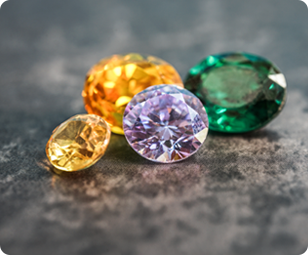
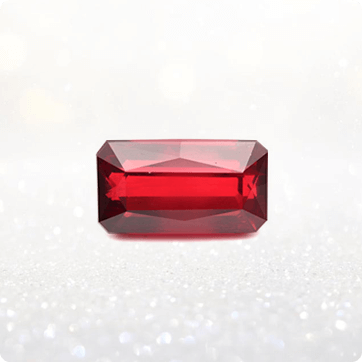
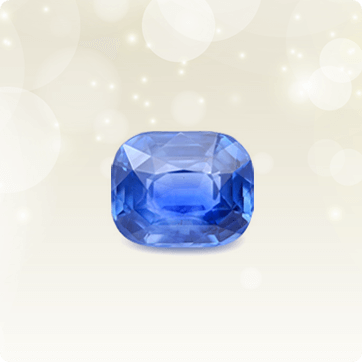
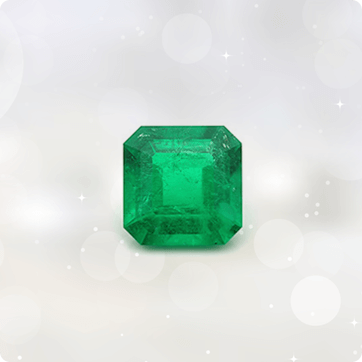
For investors who wish to invest in coloured gemstones, it is advisable to focus on the so-called “Big Three” – ruby, sapphire and emerald. These gemstones combine extreme rarity in high quality with consistently high global demand, which creates ideal conditions for stable long-term value development.
If you are looking to diversify your portfolio with stones that resemble labradorite in certain optical respects but may have greater demand or potential for appreciation in the investment sector, the following types could be considered:
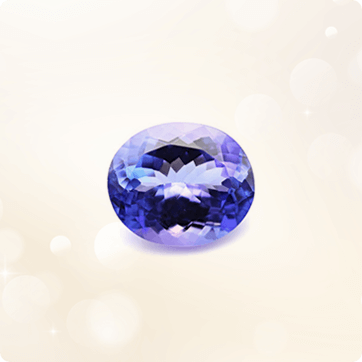
- Tanzanite: can show blue-violet to bluish-green hues close to the play of colour of labradorite, but is considerably rarer.
- Aquamarine: blue-green varieties in particular can have a similar cool aura to a bluish labradorite.
- Tourmaline: Paraíba tourmalines in particular show extremely intense blue and green tones that can be reminiscent of the metallic shimmer of labradorite, but they are in a completely different league in terms of price.
- Spinel: certain blue or greenish spinels can resemble labradorite in colour, but do not show its iridescent labradorescence.
Labradorite therefore remains a fascinating gemstone for jewellery and collections, whose value lies primarily in its unique beauty and individual appeal.