






Spinel

Spinel is one of the most underrated gemstones in the world. For centuries it was mistaken for ruby, and famous crown jewels later turned out to be spinels. Today, connoisseurs recognise its true value. Spinel is always untreated, shows more brilliance than ruby and occurs in spectacular colours.

On this page, you will find out which spinel varieties are suitable as an investment, why cobalt spinel and Mahenge spinel are particularly sought after and which regions produce the most valuable stones.

Spinel
  • logo-allgemeine-zeitung
  • dawo-logo
  • finanzwelt-logo
  • wallstreet-logo
  • logosachwert-magazin-logo

What Is Spinel?

Spinel is a mineral in its own right with the chemical formula MgAl2O4. It forms characteristic octahedral crystals and occurs in almost every colour. Its hardness of 8 on the Mohs scale makes it robust enough for any jewellery.

The most famous historical cases of mistaken identity are the Black Prince’s Ruby in the British crown and the Timur Ruby – both turned out to be red spinels. This history shows how similar high-quality spinels can be to ruby.

gems
Gem

Spinel Colours at a Glance

Spinel occurs in practically every colour. For investors, however, only certain varieties are of interest.

Red spinel

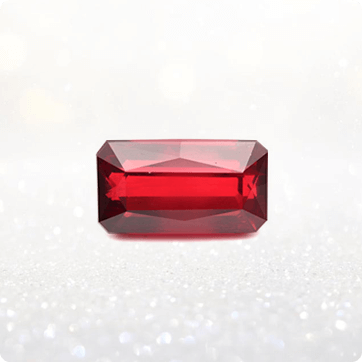
Red spinel is the classic variety and was historically the one most often mistaken for ruby. The best stones show an intense, pure red without brown or orange secondary tones. Myanmar supplies the highest-quality red spinels.

Blue spinel and cobalt spinel

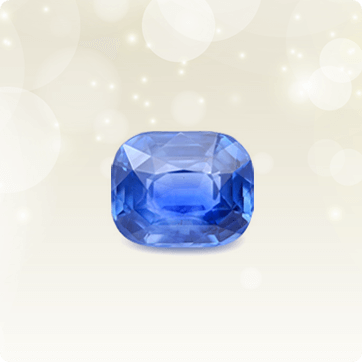
Blue spinel is rare and sought after. At the very top is cobalt spinel from Vietnam with its intense, electric blue. This colour is caused by cobalt ions and is unique in the gemstone world. Cobalt spinels fetch prices that rival fine sapphires.

Pink spinel and Mahenge spinel

Pink spinels are enjoying growing popularity. Mahenge spinel from Tanzania has created a category of its own. Its vivid pink to red with a hint of neon makes it one of the most sought-after trend stones of recent years.

Black spinel

Black spinel is popular in jewellery, but is not suitable as an investment. It is common, inexpensive and offers no potential for appreciation.

What makes a spinel valuable?

The value of a spinel is determined by colour, clarity, cut and carat weight.

Colour

Colour intensity is decisive. For red spinel, what counts is a pure, vivid red without secondary tones. For cobalt spinel, the intense electric blue is decisive. Mahenge spinels should show the characteristic glowing pink.

Clarity

Spinels often occur with good clarity. For an investment, the stone should be eye-clean. Inclusions reduce the value considerably.

Cut

A good cut maximises the natural brilliance of spinel. Its refractive index of 1.72 is close to that of ruby and allows a lively play of light. Popular shapes are oval, cushion and round.

Carat weight and price

Prices vary greatly depending on colour and origin.

Red spinel from Myanmar in investment quality costs €500 to €2,000 per carat. Cobalt spinel from Vietnam reaches €1,000 to €5,000 per carat. Mahenge spinel costs €300 to €1,500 per carat, depending on colour intensity.

Stones over 3 carats in top quality are rare and command significant premiums.

Spinel treatments

A decisive advantage of spinel is the absence of treatments. Unlike ruby or sapphire, spinel is practically never heated or otherwise treated. Its colour is always natural.

For investors, this means maximum security. There is no uncertainty about the permanence of treatments and no debate about how acceptable certain procedures are.

Mining regions

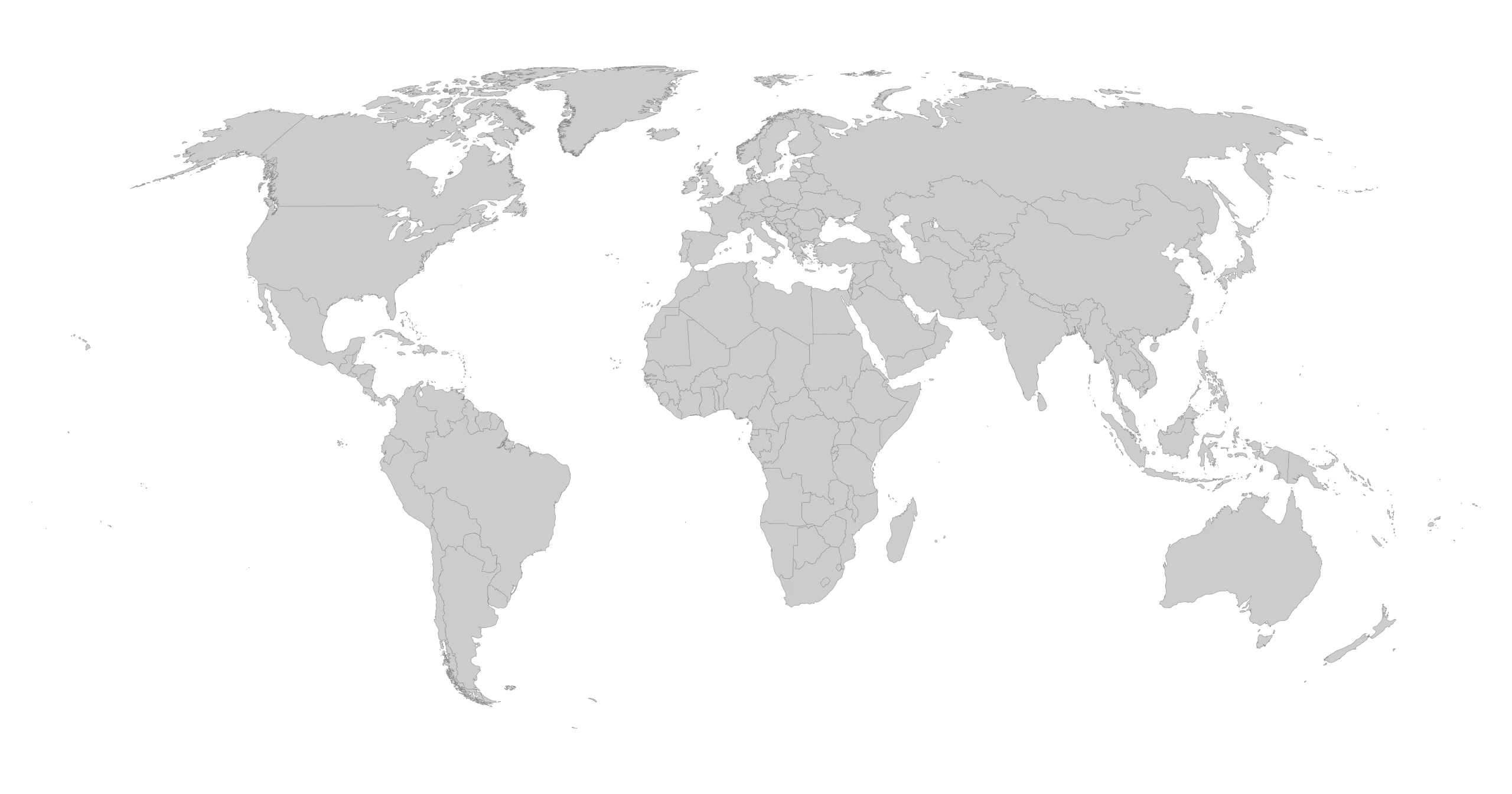
With spinel, origin largely determines quality and price. Different regions are known for different colours.

Spinel vs Ruby

The comparison with ruby is obvious, as both stones compete in red.

Brilliance

Spinel has a slightly lower refractive index than ruby, but because it is singly refractive it often shows a livelier fire. Many connoisseurs prefer the play of light of spinel.

Treatments

While most rubies are heated, spinel is always untreated. This difference is becoming increasingly important as collectors prefer natural stones.

Price

High-quality spinels cost less than comparable rubies. This makes them interesting for investors looking for quality at a better price. However, the price gap is closing as spinel gains increasing recognition.

Spinel vs Ruby

The comparison with ruby is obvious, as both stones compete in red.

Spinel as an investment

Spinel meets important criteria of an investment gemstone. We recommend it as a valuable addition.

Arguments in favour of spinel include its guaranteed natural colour without treatments and its growing recognition among collectors and connoisseurs. The limited deposits in Myanmar, Vietnam and Tanzania ensure genuine rarity. Prices are still below those of comparable rubies and sapphires.

Spinel
Spinel

An argument against spinel as a sole investment is its lower recognition among the general public. While everyone knows ruby and sapphire, only connoisseurs know spinel. The secondary market is correspondingly smaller.

Our recommendation is to first build a foundation with ruby, sapphire, emerald and tanzanite. Spinel is ideally suited as a high-quality addition – especially cobalt spinel and Mahenge spinel.

We would be happy to advise you on your personal investment strategy – free of charge and without obligation.

Price development of spinel

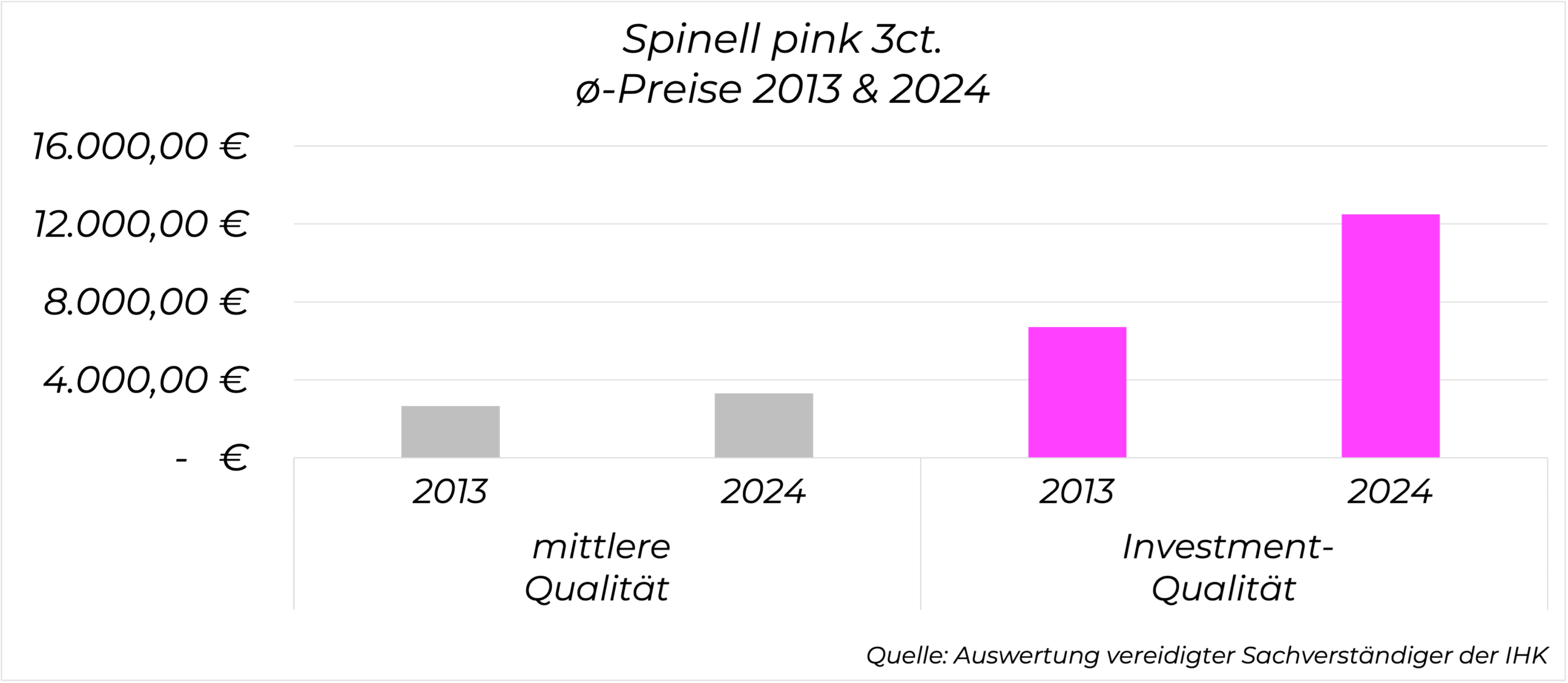
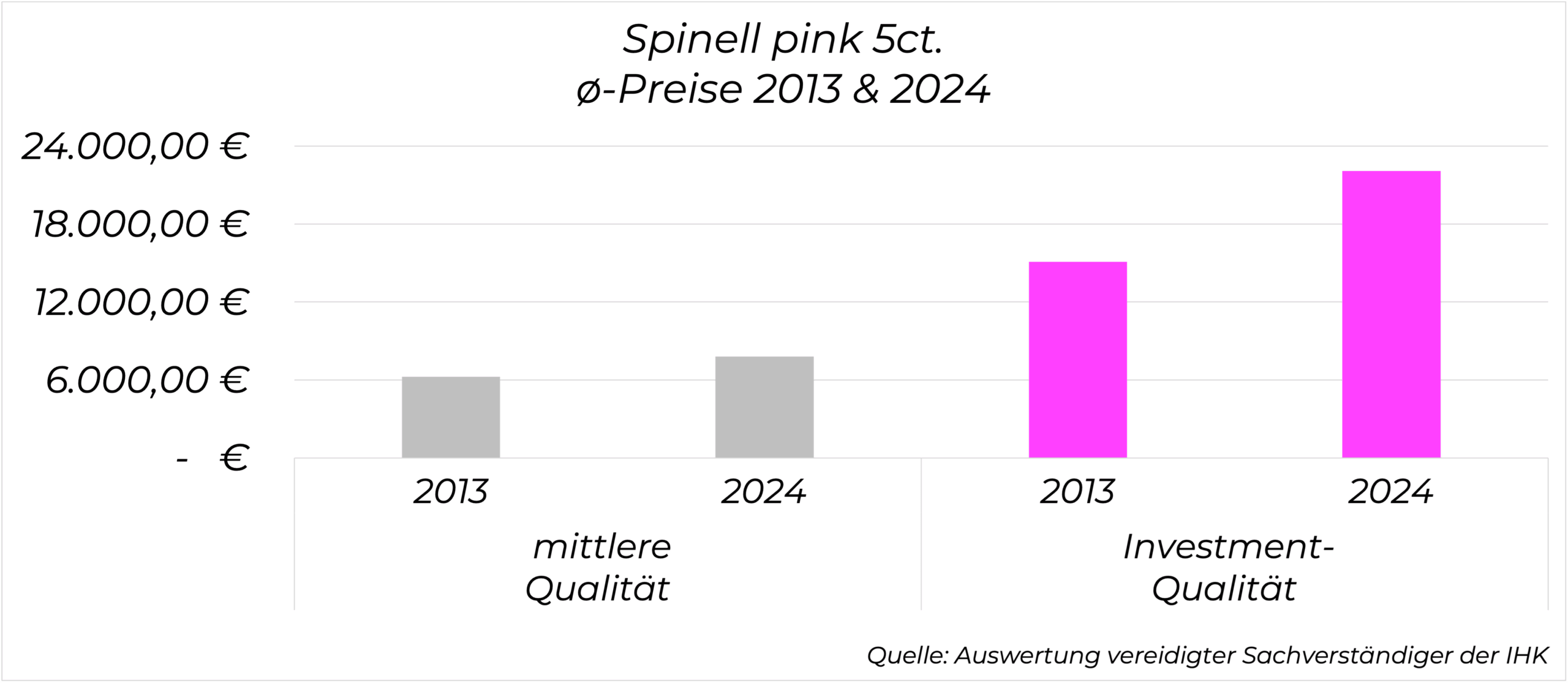
How spinel prices have developed is shown by an analysis carried out by a sworn expert appointed by the IHK (German Chamber of Industry and Commerce): he determined the average prices in 2013 and 2024 for pink spinels of 3, 5 and 10 ct – in each case in medium quality and in investment quality. For comparison, we also list our current prices (as of 2026).
Price development of pink spinel, 3 carats

In 2024, a 3.0 ct spinel in investment quality cost around €12,400 on average

In 2013, three-carat stones in investment quality averaged around €6,700. By 2024, their value had risen to around €12,400 – an increase of just over 80%. Over the same period, prices in medium quality only rose from around €2,650 to around €3,300.

For comparison, our current range (as of 2026): pink spinels from Tajikistan of around 2 ct cost around €2,300 to €3,100 per carat with us.

Price development of pink spinel, 5 carats

In 2024, a 5.0 ct spinel in investment quality cost around €22,100 on average

For five-carat stones, the average price in investment quality rose from around €15,100 (2013) to around €22,100 (2024) – an increase of almost 50%. Stones in medium quality rose from around €6,250 to around €7,750. A spinel in investment quality therefore costs almost three times as much.

Price development of pink spinel, 10 carats

In 2024, a 10.0 ct spinel in investment quality cost around €44,200 on average

Large pink spinels in top quality are very rare and correspondingly expensive: back in 2013 the average was already around €41,600, and in 2024 around €44,200. Stones in medium quality, on the other hand, have lost value – falling from around €18,600 to around €15,500.

Please note:

With large spinels, quality determines whether a stone holds its value: ten-carat stones in medium quality are worth less today than in 2013.

Types of Gemstones